
The In-Flight Junk Drawer Trap: Luxury Travel Authority Kristin Freeman Reveals the Surprising Cabin Risks That Could Ruin Your Journey
When you step aboard an aircraft for a long-haul international getaway, your suite or cabin seat becomes your sanctuary for the next several hours. Whether you are flying across the Atlantic to explore Europe’s historic capitals or crossing the Pacific for a tropical escape, settling in should feel effortless and relaxing. However, there is one unsuspecting cabin feature that trips up even the most experienced globetrotters: the airplane seatback pocket.
At first glance, that fabric or leather pouch directly in front of you seems like the ultimate convenience—a handy landing pad for your laptop, passport, water bottle, or sunglasses. But as travel industry experts know, treating the seatback pocket as a catch-all storage bin can lead to costly lost valuables, damaged electronics, and serious hygiene hazards.
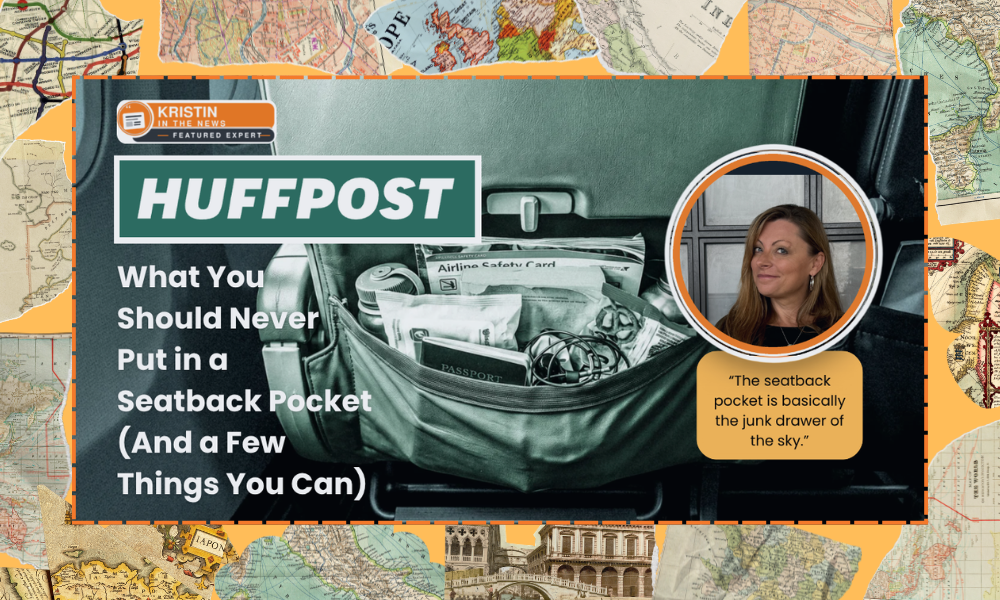
This critical travel issue is precisely why Kristin Freeman, CEO and founder of FlyOver Travel, was recently featured as a national media authority in a major HuffPost article titled The Items You Should NEVER Put In A Plane’s Seatback Pocket. From highlighting surprising sanitary concerns to addressing safety and structural limits, Freeman’s real-world insights help discerning travelers navigate modern aviation with complete confidence.
In this comprehensive guide, we break down why the airplane seatback pocket is one of the grossest and most hazardous spots on a plane, what items should never go inside, and how adopting smart carry-on habits will keep your luxury vacation seamless from departure to arrival.
The Hidden Reality of Airplane Seatback Pockets
To understand why luxury travel advisors advise against using seatback pockets, it helps to understand how aircraft are serviced between flights. Modern commercial airliners operate on tight turnarounds. While cabin crews and cleaning teams work diligently to sanitize high-touch surfaces like tray tables, overhead bin latches, and lavatories, seatback pockets present a unique cleaning challenge.
1. The Shocking Hygiene Factor
Multiple aviation studies have revealed that seatback pockets consistently rank among the germiest locations inside a commercial aircraft cabin. Because they are deep cloth or leather pouches, they rarely receive deep-sanitization wipes between routine domestic or international flights.
Flight attendants regularly report finding leftover garbage, discarded tissues, open food wrappers, and worse stowed inside by previous passengers. Storing items that touch your face, mouth, or skin inside that pocket exposes your belongings directly to accumulated surface bacteria.
“These pockets are some of the dirtiest spots on the plane,” explains Kristin Freeman, CEO of FlyOver Travel. “Some studies put them ahead of the tray table and even ahead of the toilet handle. Nobody’s wiping them down between flights. So I never put anything back there that I’m going to put on my face or in my mouth—no sunglasses, no lip balm, no snacks.”
2. Lack of Structural Padding and Protection
Seatback pockets are designed to hold lightweight safety cards, in-flight magazines, and small paper items. They offer zero padding against impact. Throughout a long flight, your seatback is constantly bumped by passing service carts, passengers navigating the aisle, or knees pressing against the seat. Tucking delicate luxury items like designer eyewear or high-end headphones into the pocket leaves them highly vulnerable to cracking under pressure.
7 Items You Should NEVER Put in a Plane’s Seatback Pocket
To keep your personal items safe, clean, and intact, here are the primary categories of items you should strictly keep out of the seatback pouch:
[ DO NOT STOW IN SEATBACK POCKET ]
├── 1. Personal Hygiene & Oral Care (Lip balm, face masks, uncovered snacks)
├── 2. High-Value Tech (Laptops, tablets, expensive e-readers)
├── 3. Vital Travel Documents (Passports, boarding passes, wallets)
├── 4. Delicate & Fragile Items (Designer sunglasses, noise-canceling headphones)
├── 5. Heavy Electronics & Power Banks (Risk of overheating or weight sag)
├── 6. Unsealed Drinks & Baby Bottles (Prone to leaks and spills)
└── 7. Loose Small Accessories (Earbuds, jewelry, charging cords)
1. Anything That Touches Your Face or Mouth
As Kristin Freeman highlighted in HuffPost, items such as lip balm, snacks, face masks, or water bottle mouthpieces should never come into contact with the interior fabric of a seatback pocket. If you carry personal wellness items, keep them sealed inside a clean, dedicated accessory pouch inside your carry-on bag.
2. Heavy Electronics (Laptops and Tablets)
Sliding a sleek laptop or iPad into the seatback pocket may seem convenient, but it poses multiple hazards:
- Structural Strain: “That pocket is only built to hold a couple pounds,” Freeman cautions. “If it’s not fully tucked in, it can fly loose during turbulence or block the aisle if people need to get out fast.”
- Overheating Risks: Electronics generate internal heat. Confining laptops or portable power banks inside tight leather pockets with zero airflow can cause devices to overheat unexpectedly.
- Impact Damage: Heavy electronics stowed in unpadded pockets can flex or crack if the seat in front of you is reclined abruptly or bumped hard.
3. Vital Travel Documents and Wallets
Your passport, international driver’s permit, credit cards, and boarding passes are the lifeblood of your trip. Slipping them into a dark, deep seatback pocket is a recipe for disaster. It is astonishingly easy for thin booklets or cards to slide behind safety cards or deep into the seams, leading to frantic searches at customs or leaving them behind entirely.
4. Fragile Accessories and Designer Sunglasses
Without rigid structural padding, expensive sunglasses, prescription readers, or bulky over-ear headphones can easily snap when hit by a drink cart or pressed by a reclining seat. “If you’ve got big headphones, sunglasses, or anything that can crack, it’s safer in your bag than in that pocket,” notes Freeman.
5. Small Loose Essentials (Earbuds, Charging Cords, Rings)
Tiny items easily slip out of reach. AirPods, wireless charging cases, and small cables often slide into the bottom corners of seatback pockets, making them almost impossible to retrieve quickly when it’s time to deplane.
6. Unsealed Drinks or Bottles Without Tight Lids
A loose water bottle lid or open beverage cup placed in a seatback pocket can easily tip over during taxiing, takeoff, or unexpected air turbulence. As Freeman warns: “If you’re putting a drink back there, the lid has to be on tight. No exceptions. Airplane seatback pockets don’t get cleaned, so your spill becomes the next person’s problem.”
7. Trash and Used Tissues
The seatback pocket is not a trash bin. Leaving dirty wipes, wrappers, or used tissues in the pocket creates an unhygienic environment for the passengers who sit there after you. Always hand garbage directly to flight attendants during scheduled cabin walkthroughs.
The Expensive Cost of Forgetting Items Behind
One of the biggest reasons luxury travel advisors urge clients to clear out seatback pockets is the sheer loss rate. When deplaning after a long-haul overnight flight, jet lag and fatigue make it easy to grab your overhead bag and forget items tucked deep in front of you.
Lost items often end up in airline lost-and-found centers, requiring tedious recovery processes, international shipping fees, or lost vacation time. Freeman shared a real-life example during her interview: when her husband accidentally left his iPad in a seatback pocket during a business trip, the airline charged $70 just to ship the device back to their home. Keeping all your valuables secured inside your personal carry-on ensures you step off the plane with everything you boarded with.
Smart Packing Alternatives for Luxury Travelers
To maintain an organized, hygienic, and stress-free seating area during long flights, implement these simple pro strategies:
- Use a Dedicated “In-Flight Essentials” Pouch: Pack a small, zippered leather or nylon organizer containing your phone, noise-canceling earbuds, lip balm, and passport. Keep this pouch inside your personal item under the seat in front of you so everything stays clean, organized, and within easy reach.
- Keep Antibacterial Wipes On Hand: Upon boarding, take 30 seconds to wipe down your armrests, seatbelt buckle, entertainment screen, and tray table.
- Store Laptops in Protective Sleeves: Always return your laptop or tablet directly to a padded sleeve inside your overhead bag or under-seat carry-on immediately after use.
Frequently Asked Questions About Airplane Seatback Pockets & In-Flight Habits
Q1: What CAN you safely put in an airplane seatback pocket?
A: The seatback pocket is best reserved for flat, non-valuable items like the airline’s safety card, an unwanted paper menu, or a tightly closed, leak-proof water bottle that fits securely without stretching the pocket.
Q2: How often do airlines deep-clean seatback pockets?
A: While airlines conduct thorough deep-cleans during overnight stays or scheduled maintenance checks, routine turnarounds between daily flights focus primarily on lavatories, tray tables, and removing visible trash. Seatback fabric pockets are rarely vacuumed or sanitized between every leg.
Q3: What should I do if I accidentally leave a valuable item in a seatback pocket?
A: Immediately notify a ground agent at your arrival gate before leaving the secure terminal area. If you have already exited the airport, submit an official lost property report through the operating airline’s lost-and-found portal as quickly as possible, providing your exact seat number and flight details.
Q4: How can I keep my phone charged during a flight without putting a power bank in the seatback pocket?
A: Connect your phone to a portable power bank or in-seat USB port while keeping both devices stored safely inside your personal item bag at your feet. This prevents overheating risks and keeps your charging cable from dangling across the aisle.
Q5: Why is using a personal carry-on item under the seat better than using the seatback pocket?
A: A personal bag under the seat in front of you belongs exclusively to you, stays clean, offers padded protection for delicate electronics, and keeps all your belongings zipped together in one place so nothing gets lost or left behind when landing.
Experience the FlyOver Travel Difference
Elevating your international travel experiences comes down to meticulous preparation, insider knowledge, and seamless execution. To read the complete feature containing expert travel advice from Kristin Freeman, check out the full article on HuffPost.
Ready to elevate your next global escape with effortless 5-star logistics and personalized VIP recommendations? Connect with our expert advisors at FlyOver Travel today and let us turn your dream vacation into a flawless reality!