Category: Blog

  • Airplane Seatback Pockets Uncovered: What You Should NEVER Stow at 30,000 Feet

    Airplane Seatback Pockets Uncovered: What You Should NEVER Stow at 30,000 Feet

    The In-Flight Junk Drawer Trap: Luxury Travel Authority Kristin Freeman Reveals the Surprising Cabin Risks That Could Ruin Your Journey

    When you step aboard an aircraft for a long-haul international getaway, your suite or cabin seat becomes your sanctuary for the next several hours. Whether you are flying across the Atlantic to explore Europe’s historic capitals or crossing the Pacific for a tropical escape, settling in should feel effortless and relaxing. However, there is one unsuspecting cabin feature that trips up even the most experienced globetrotters: the airplane seatback pocket.

    At first glance, that fabric or leather pouch directly in front of you seems like the ultimate convenience—a handy landing pad for your laptop, passport, water bottle, or sunglasses. But as travel industry experts know, treating the seatback pocket as a catch-all storage bin can lead to costly lost valuables, damaged electronics, and serious hygiene hazards.

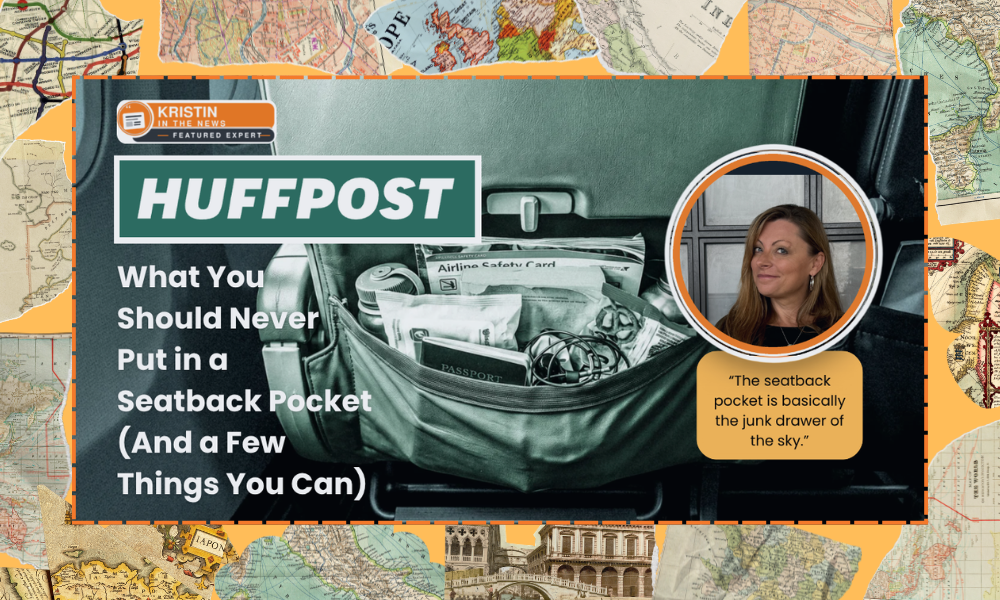
    This critical travel issue is precisely why Kristin Freeman, CEO and founder of FlyOver Travel, was recently featured as a national media authority in a major HuffPost article titled The Items You Should NEVER Put In A Plane’s Seatback Pocket. From highlighting surprising sanitary concerns to addressing safety and structural limits, Freeman’s real-world insights help discerning travelers navigate modern aviation with complete confidence.

    In this comprehensive guide, we break down why the airplane seatback pocket is one of the grossest and most hazardous spots on a plane, what items should never go inside, and how adopting smart carry-on habits will keep your luxury vacation seamless from departure to arrival.

    The Hidden Reality of Airplane Seatback Pockets

    To understand why luxury travel advisors advise against using seatback pockets, it helps to understand how aircraft are serviced between flights. Modern commercial airliners operate on tight turnarounds. While cabin crews and cleaning teams work diligently to sanitize high-touch surfaces like tray tables, overhead bin latches, and lavatories, seatback pockets present a unique cleaning challenge.

    1. The Shocking Hygiene Factor

    Multiple aviation studies have revealed that seatback pockets consistently rank among the germiest locations inside a commercial aircraft cabin. Because they are deep cloth or leather pouches, they rarely receive deep-sanitization wipes between routine domestic or international flights.

    Flight attendants regularly report finding leftover garbage, discarded tissues, open food wrappers, and worse stowed inside by previous passengers. Storing items that touch your face, mouth, or skin inside that pocket exposes your belongings directly to accumulated surface bacteria.

    “These pockets are some of the dirtiest spots on the plane,” explains Kristin Freeman, CEO of FlyOver Travel. “Some studies put them ahead of the tray table and even ahead of the toilet handle. Nobody’s wiping them down between flights. So I never put anything back there that I’m going to put on my face or in my mouth—no sunglasses, no lip balm, no snacks.”

    2. Lack of Structural Padding and Protection

    Seatback pockets are designed to hold lightweight safety cards, in-flight magazines, and small paper items. They offer zero padding against impact. Throughout a long flight, your seatback is constantly bumped by passing service carts, passengers navigating the aisle, or knees pressing against the seat. Tucking delicate luxury items like designer eyewear or high-end headphones into the pocket leaves them highly vulnerable to cracking under pressure.

    7 Items You Should NEVER Put in a Plane’s Seatback Pocket

    To keep your personal items safe, clean, and intact, here are the primary categories of items you should strictly keep out of the seatback pouch:

    [ DO NOT STOW IN SEATBACK POCKET ]

     ├── 1. Personal Hygiene & Oral Care (Lip balm, face masks, uncovered snacks)

     ├── 2. High-Value Tech (Laptops, tablets, expensive e-readers)

     ├── 3. Vital Travel Documents (Passports, boarding passes, wallets)

     ├── 4. Delicate & Fragile Items (Designer sunglasses, noise-canceling headphones)

     ├── 5. Heavy Electronics & Power Banks (Risk of overheating or weight sag)

     ├── 6. Unsealed Drinks & Baby Bottles (Prone to leaks and spills)

     └── 7. Loose Small Accessories (Earbuds, jewelry, charging cords)

    1. Anything That Touches Your Face or Mouth

    As Kristin Freeman highlighted in HuffPost, items such as lip balm, snacks, face masks, or water bottle mouthpieces should never come into contact with the interior fabric of a seatback pocket. If you carry personal wellness items, keep them sealed inside a clean, dedicated accessory pouch inside your carry-on bag.

    2. Heavy Electronics (Laptops and Tablets)

    Sliding a sleek laptop or iPad into the seatback pocket may seem convenient, but it poses multiple hazards:

    • Structural Strain: “That pocket is only built to hold a couple pounds,” Freeman cautions. “If it’s not fully tucked in, it can fly loose during turbulence or block the aisle if people need to get out fast.”
    • Overheating Risks: Electronics generate internal heat. Confining laptops or portable power banks inside tight leather pockets with zero airflow can cause devices to overheat unexpectedly.
    • Impact Damage: Heavy electronics stowed in unpadded pockets can flex or crack if the seat in front of you is reclined abruptly or bumped hard.

    3. Vital Travel Documents and Wallets

    Your passport, international driver’s permit, credit cards, and boarding passes are the lifeblood of your trip. Slipping them into a dark, deep seatback pocket is a recipe for disaster. It is astonishingly easy for thin booklets or cards to slide behind safety cards or deep into the seams, leading to frantic searches at customs or leaving them behind entirely.

    4. Fragile Accessories and Designer Sunglasses

    Without rigid structural padding, expensive sunglasses, prescription readers, or bulky over-ear headphones can easily snap when hit by a drink cart or pressed by a reclining seat. “If you’ve got big headphones, sunglasses, or anything that can crack, it’s safer in your bag than in that pocket,” notes Freeman.

    5. Small Loose Essentials (Earbuds, Charging Cords, Rings)

    Tiny items easily slip out of reach. AirPods, wireless charging cases, and small cables often slide into the bottom corners of seatback pockets, making them almost impossible to retrieve quickly when it’s time to deplane.

    6. Unsealed Drinks or Bottles Without Tight Lids

    A loose water bottle lid or open beverage cup placed in a seatback pocket can easily tip over during taxiing, takeoff, or unexpected air turbulence. As Freeman warns: “If you’re putting a drink back there, the lid has to be on tight. No exceptions. Airplane seatback pockets don’t get cleaned, so your spill becomes the next person’s problem.”

    7. Trash and Used Tissues

    The seatback pocket is not a trash bin. Leaving dirty wipes, wrappers, or used tissues in the pocket creates an unhygienic environment for the passengers who sit there after you. Always hand garbage directly to flight attendants during scheduled cabin walkthroughs.

    The Expensive Cost of Forgetting Items Behind

    One of the biggest reasons luxury travel advisors urge clients to clear out seatback pockets is the sheer loss rate. When deplaning after a long-haul overnight flight, jet lag and fatigue make it easy to grab your overhead bag and forget items tucked deep in front of you.

    Lost items often end up in airline lost-and-found centers, requiring tedious recovery processes, international shipping fees, or lost vacation time. Freeman shared a real-life example during her interview: when her husband accidentally left his iPad in a seatback pocket during a business trip, the airline charged $70 just to ship the device back to their home. Keeping all your valuables secured inside your personal carry-on ensures you step off the plane with everything you boarded with.

    Smart Packing Alternatives for Luxury Travelers

    To maintain an organized, hygienic, and stress-free seating area during long flights, implement these simple pro strategies:

    • Use a Dedicated “In-Flight Essentials” Pouch: Pack a small, zippered leather or nylon organizer containing your phone, noise-canceling earbuds, lip balm, and passport. Keep this pouch inside your personal item under the seat in front of you so everything stays clean, organized, and within easy reach.
    • Keep Antibacterial Wipes On Hand: Upon boarding, take 30 seconds to wipe down your armrests, seatbelt buckle, entertainment screen, and tray table.
    • Store Laptops in Protective Sleeves: Always return your laptop or tablet directly to a padded sleeve inside your overhead bag or under-seat carry-on immediately after use.

    Frequently Asked Questions About Airplane Seatback Pockets & In-Flight Habits

    Q1: What CAN you safely put in an airplane seatback pocket?

    A: The seatback pocket is best reserved for flat, non-valuable items like the airline’s safety card, an unwanted paper menu, or a tightly closed, leak-proof water bottle that fits securely without stretching the pocket.

    Q2: How often do airlines deep-clean seatback pockets?

    A: While airlines conduct thorough deep-cleans during overnight stays or scheduled maintenance checks, routine turnarounds between daily flights focus primarily on lavatories, tray tables, and removing visible trash. Seatback fabric pockets are rarely vacuumed or sanitized between every leg.

    Q3: What should I do if I accidentally leave a valuable item in a seatback pocket?

    A: Immediately notify a ground agent at your arrival gate before leaving the secure terminal area. If you have already exited the airport, submit an official lost property report through the operating airline’s lost-and-found portal as quickly as possible, providing your exact seat number and flight details.

    Q4: How can I keep my phone charged during a flight without putting a power bank in the seatback pocket?

    A: Connect your phone to a portable power bank or in-seat USB port while keeping both devices stored safely inside your personal item bag at your feet. This prevents overheating risks and keeps your charging cable from dangling across the aisle.

    Q5: Why is using a personal carry-on item under the seat better than using the seatback pocket?

    A: A personal bag under the seat in front of you belongs exclusively to you, stays clean, offers padded protection for delicate electronics, and keeps all your belongings zipped together in one place so nothing gets lost or left behind when landing.

    Experience the FlyOver Travel Difference

    Elevating your international travel experiences comes down to meticulous preparation, insider knowledge, and seamless execution. To read the complete feature containing expert travel advice from Kristin Freeman, check out the full article on HuffPost.

    Ready to elevate your next global escape with effortless 5-star logistics and personalized VIP recommendations? Connect with our expert advisors at FlyOver Travel today and let us turn your dream vacation into a flawless reality!
  • Should I Wear Compression Socks on a Flight?

    Should I Wear Compression Socks on a Flight?

    The In-Flight Habit That Could Save Your Vacation: Why Travel Expert Kristin Freeman Swears by Compression Socks for Long-Haul Comfort

    Flying at 30,000 feet is an incredible experience, but long hours spent sitting in a pressurized cabin can take a quiet toll on your body. Whether you are embarking on a transpacific voyage, a European river cruise getaway, or a multi-leg international journey, physical well-being during transit directly dictates how quickly you can dive into your vacation upon landing.

    This critical intersection of health, travel habits, and long-haul comfort is precisely why Kristin Freeman, CEO of FlyOver Travel, was recently featured in Parade.com‘s guide on flight habits seasoned travelers should reconsider. Among the top recommendations for maintaining peak circulation and energy during extended air travel? Wearing gradient compression socks.

    As a trusted leader in luxury travel management, Kristin Freeman routinely guides clients on how to optimize every aspect of their journey—from booking lie-flat suites to mastering in-flight wellness routines. In this comprehensive guide, we explore why compression socks are an indispensable tool for air travel, how they work, who benefits most, and how incorporating smart physical habits ensures you arrive at your destination refreshed and ready to explore.

    Why Flying Affects Your Circulation

    To understand why compression socks are so effective, it helps to look at what happens to the human body during extended flights. Inside a commercial aircraft, cabin pressure is typically equivalent to an altitude of 6,000 to 8,000 feet above sea level. Combined with low humidity levels and hours of relative immobility, this environment creates unique physiological challenges.

    The Dynamics of Sitting at High Altitude

    When you sit in a restricted position for several consecutive hours:

    • Venous Pooling: Gravity pulls fluid and blood down into your lower legs, ankles, and feet.
    • Decreased Blood Flow: Without regular muscle contractions from walking or moving, the veins in your calves work much harder to pump blood back up toward your heart.
    • Mild Swelling (Edema): The accumulation of fluid in tissue can leave your legs feeling heavy, tight, and uncomfortable, making shoes feel snug by the time you prepare to descend.

    Beyond temporary discomfort, prolonged immobility on long flights increases the risk of Deep Vein Thrombosis (DVT)—a condition where a blood clot forms in a deep vein, most commonly in the legs.

    How Compression Socks Work: The Science of In-Flight Comfort

    Compression socks are specially designed hosiery that exert gentle, controlled pressure on your lower legs. Unlike standard everyday socks, quality compression wear uses graduated compression.

    The Benefits of Graduated Pressure

    1. Promotes Upward Circulation: By applying the strongest pressure at the ankle and gradually loosening toward the knee, compression socks assist your body’s veins in pushing blood back up against gravity.
    2. Reduces Swelling and Fatigue: By preventing excess fluid accumulation in the ankles and feet, compression garments minimize post-flight tightness and aching.
    3. Supports Deep Vein Health: Keeping blood circulating steadily reduces the likelihood of sluggish blood flow during 6+ hour flights.

    As highlighted by Kristin Freeman in Parade.com, incorporating compression socks into your packing list isn’t just about avoiding swelling; today’s designs are sleek and discreet, ensuring you arrive feeling ready to enjoy your vacation rather than sacrificing your first day recovering.

    Choosing the Right Compression Level for Air Travel

    Not all compression socks are created equal. When selecting socks for air travel, it is important to choose the right level of pressure (measured in millimeters of mercury, or mmHg).

    Compression LevelPressure RangeBest Used For
    Mild / Mild Graduated8–15 mmHgEveryday wear, light fatigue, shorter domestic flights
    Moderate / Travel Grade15–20 mmHgLong-haul flights, general travel comfort, leg swelling prevention
    Firm / Medical Grade20–30 mmHgSpecific medical indications, post-surgery, prescribed by a physician

    For most healthy adult travelers embarking on long-haul flights, a 15–20 mmHg graduated compression sock provides the ideal balance of effective circulatory support and comfortable all-day wear.

    Essential Flight Habits to Pair with Compression Wear

    While wearing compression socks provides substantial circulatory support, combining them with healthy in-flight routines maximizes your physical comfort.

    1. Stay Proactively Hydrated

    Aircraft cabin air typically has humidity levels below 20%. Dehydration causes blood vessels to narrow and blood to thicken slightly, compounding circulation challenges. Drink water regularly throughout the flight, and limit excessive intake of alcohol and caffeine, which contribute to dehydration.

    2. Practice In-Seat Foot Exercises

    When space is limited, simple isometric calf movements keep your muscle pump active:

    • Ankle Pumps: Point your toes downward, hold for 3 seconds, then flex your feet upward toward your shins.
    • Ankle Circles: Rotate your ankles in smooth circular motions, 10 times clockwise and 10 times counter-clockwise.
    • Heel-Toe Raises: Rest your feet flat on the floor, raise your heels while keeping your toes planted, then switch to raising your toes while keeping your heels down.

    3. Take Periodic Cabin Walks

    Aim to stand up and stroll down the aisle every 1.5 to 2 hours when the seatbelt sign is off. A 5-minute walk restores dynamic blood flow across your entire body and gives your muscles a welcome break from static posture.

    Crafting Your Ultimate Itinerary: Key Considerations for Luxury Travelers

    Elevating your global journeys requires a thoughtful approach to every detail—from selecting the right flight habits and cabin classes to curating seamless luxury itineraries around the globe. When your travel plans are guided by an experienced industry authority, every trip becomes an effortless masterclass in comfort and style.

    Frequently Asked Questions About Compression Socks on Flights

    Q1: How long before my flight should I put on compression socks?

    A: Put your compression socks on in the morning before leaving for the airport, or right before boarding your long-haul flight. Putting them on while your legs are rested and swelling hasn’t yet started yields the best results.

    Q2: Can I sleep with compression socks on during an overnight flight?

    A: Yes. Wearing graduated compression socks while resting or sleeping during an overnight transoceanic flight is safe and effective for keeping circulation steady while your body is completely motionless.

    Q3: Are compression socks necessary if I am flying in Business or First Class?

    A: Lie-flat beds in premium cabins significantly reduce gravity-induced fluid pooling because your legs remain elevated horizontally. However, wearing mild-to-moderate compression socks still aids circulation during seated periods, meal service, and pre-departure transit.

    Q4: What material is best for travel compression socks?

    A: Look for breathable, moisture-wicking blends such as merino wool, bamboo fibers, or technical synthetic knits. These materials offer temperature regulation and comfort during long hours in varying cabin temperatures.

    Q5: Who should consult a doctor before wearing compression socks?

    A: Individuals with peripheral arterial disease, severe diabetic neuropathy, active skin infections, or severe heart conditions should consult a healthcare provider prior to using graduated compression garments.

    Experience the FlyOver Travel Difference

    To read the full article featuring expert advice from Kristin Freeman on habits travelers over 50 should stop, check out the complete feature on Parade.com.

    Ready to plan your next extraordinary escape with peace of mind? Connect with our expert team at FlyOver Travel today and let us handle every detail of your luxury itinerary from departure to arrival!

  • The Soul of the North: Unveiling the Timeless Elegance and Granite Grandeur of Porto, Portugal

    The Soul of the North: Unveiling the Timeless Elegance and Granite Grandeur of Porto, Portugal

    Discover Why Portugal’s Historic Coastal Metropolis Is the Ultimate Destination for the Discerning Luxury Traveler

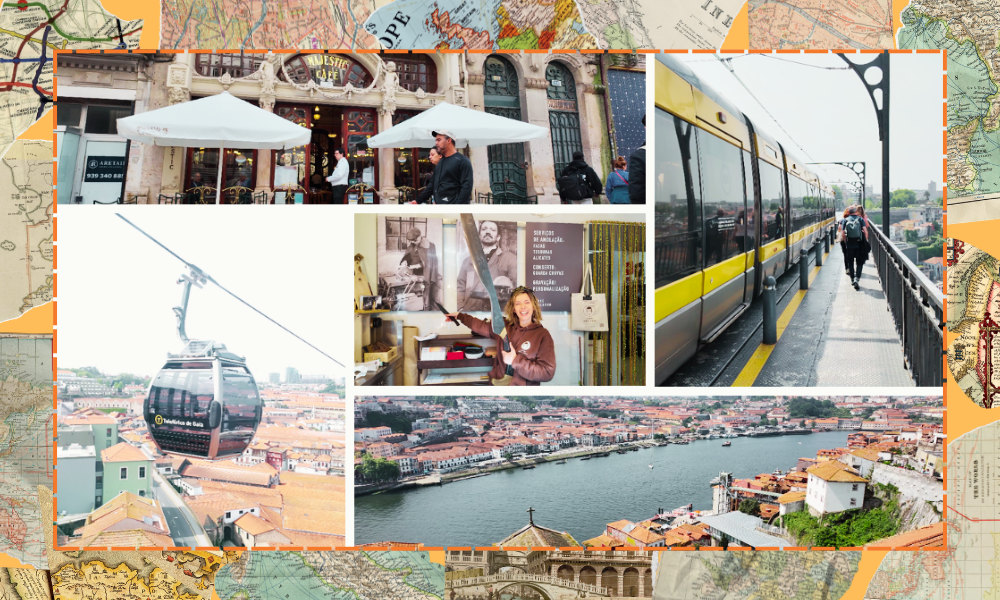
    There are cities that greet you with a whisper, and then there are cities that capture your imagination with a sweeping, cinematic chorus of color, stone, and river water. Porto—Portugal’s vibrant northern capital—belongs entirely to the latter. Cascading dramatically down the granite cliffs toward the rushing waters of the Douro River, Porto is a destination where centuries-old merchant traditions blend effortlessly with contemporary sophistication, world-class gastronomy, and a proud, independent spirit.

    At FlyOver Travel, we believe that true luxury travel is defined by narrative depth and seamless execution. We don’t just send our clients to cities; we unlock their hidden stories. As experts in curating “friction-free” high-end European itineraries, our recent exploration of Porto reaffirmed why this ancient mercantile hub is an essential starting point—or a luxurious finale—for any great Portuguese journey. From the glittering blue azulejo tiles that adorn its historic facades to the candle-lit cellars across the river in Vila Nova de Gaia, Porto is a city designed to be savored slowly, intelligently, and in absolute comfort.

    A Tale of Two Banks: The Dual Identity of Porto and Gaia

    To understand Porto, you must first understand its geography. The city is divided by the Douro River, creating a fascinating cultural and architectural dialogue between two distinct worlds:

    1. Historic Porto: The Granite Crown

    On the northern bank, Porto proper rises steeply from the riverbanks in a labyrinth of medieval alleys, baroque churches, and grand 19th-century avenues. This is a city built from rugged granite and softened by artistic genius. Walking through the UNESCO-listed Ribeira district, you are surrounded by multi-colored townhouses draped in laundry, lively outdoor cafes, and the constant hum of maritime history. Above it all towers the majestic Sé Cathedral and the iconic iron arches of the Dom Luís I Bridge, engineered by a disciple of Gustave Eiffel.

    2. Vila Nova de Gaia: The Temple of Port Wine

    Cross the river via the upper deck of the Dom Luís I Bridge (or a private wooden river taxi), and you arrive in Vila Nova de Gaia. While technically a separate municipality, Gaia is the spiritual repository of Porto’s liquid gold. This is where the historic Port wine lodges—names like Taylor’s, Croft, and Sandeman—have aged their precious vintages in cool, dark barrel rooms for centuries. For the wine connoisseur, a private tasting overlooking the Porto skyline is an absolute masterclass in enology.

    Architectural Marvels and Cultural Masterpieces

    Porto is a living museum of architectural evolution. Every era, from Romanesque to Gothic, Neoclassical to Art Nouveau, has left its indelible mark on the cityscape.

    • São Bento Railway Station: Do not mistake this for a mere transit hub. Stepping into the grand concoss of São Bento is like walking into an art gallery. The walls are covered in over 20,000 hand-painted blue-and-white azulejo tiles created by artist Jorge Colaço, depicting pivotal moments in Portuguese history and royal pageantry.
    • Lello Bookstore (Livraria Lello): Widely considered one of the most beautiful bookstores in the world, this neo-Gothic treasure features a stunning crimson staircase, intricately carved wooden shelves, and stained-glass ceilings that filter the golden northern light. It is an inspiring space that has sparked the imaginations of writers and travelers for over a century.
    • Clérigos Tower (Torre dos Clérigos): Piercing the skyline, this baroque bell tower offers panoramic views of Porto’s terracotta roofs, the winding river, and the distant Atlantic Ocean. For our VIP clients, we arrange private access to viewpoints that bypass the public queues entirely.

    The FlyOver Travel “Friction-Free” Philosophy in Porto

    Navigating an ancient, vertical city like Porto can present logistical challenges. The cobblestones are steep, the historic center is heavily restricted for vehicles, and securing tables at the city’s top Michelin-starred restaurants requires insider access.

    This is where FlyOver Travhttps://flyovertravel.com/el elevates your experience:

    1. Chauffeured Mobility: We manage all local logistics with private, professional drivers who navigate Porto’s hills effortlessly, ensuring you move smoothly from your boutique hotel to private river cruises and wine lodges.
    2. Exclusive Access: We bypass the crowds with private skip-the-line entries, private cellar tours in Gaia, and exclusive reservations at avant-garde culinary hotspots like The Yeatman or DOMUS.
    3. Seamless Integration: We weave your time in Porto seamlessly into a wider Portuguese narrative—pairing your urban exploration with a luxury river cruise down the Douro Valley or a restorative retreat at the Six Senses.

    Gastronomy: Where Tradition Meets Modern Innovation

    Porto’s food scene is currently undergoing a golden renaissance. While the city remains fiercely proud of its hearty working-class roots—exemplified by the legendary Francesinha sandwich or traditional tripe stew—its modern culinary landscape is defined by innovation.

    Today, visionary young chefs are taking traditional northern Portuguese ingredients—fresh Atlantic seafood, olive oil, wild herbs, and rich mountain cheeses—and reimagining them through a fine-dining lens. Paired with crisp, mineral-driven Vinho Verde or a bold Douro red, dinner in Porto is never just a meal; it is a multi-sensory cultural event.

    Why Porto Belongs on Your Luxury Travel Horizon

    Modern luxury is no longer about ostentation; it is about authenticity, depth, and emotional resonance. Porto offers these qualities in abundance. It is a city that doesn’t put on a show for tourists—it simply lives its vibrant, artistic life, inviting you to join in.

    Whether you spend your afternoon browsing contemporary art galleries in the Serralves Park, your golden hour sipping a White Port tonic on a private terrace overlooking the Douro, or your evening listening to live Fado music echo through a stone alleyway, Porto leaves an indelible mark on your soul.

    Begin Your Northern Portuguese Adventure

    The granite towers, tiled train stations, and historic wine lodges of Porto are waiting to be explored. Let FlyOver Travel handle the intricate details while you immerse yourself in the vibrant culture and timeless elegance of Portugal’s northern capital.

    Are you ready to see the historic bridges, tiled architecture, and stunning river views of Porto for yourself?

    Click here to watch our exclusive travel guide to Porto, Portugal on YouTube and take a virtual front-row tour of this magnificent coastal metropolis!

  • Elevating the Skies: Why Industry Authority Kristin Freeman is National Media’s Go-To Voice for Luxury Long-Haul Travel

    Elevating the Skies: Why Industry Authority Kristin Freeman is National Media’s Go-To Voice for Luxury Long-Haul Travel

    Unlocking Ultimate Comfort: Expert Insights on Long-Haul Flights, Premium Airline Classes, and Travel Habits That Transform Your Journey

    When planning an extraordinary international getaway, the vacation doesn’t start when you step off the tarmac—it begins the moment you step onto the aircraft. For discerning travelers seeking seamless journeys, understanding the nuances of cabin classes, seating configurations, and in-flight wellness can make the difference between a rejuvenating escape and an exhausting endurance test. This commitment to elevated, stress-free travel is precisely why Kristin Freeman, CEO and founder of FlyOver Travel, continues to be sought out and quoted as a premier authority in national media outlets like Parade.com.

    As a trusted voice guiding luxury globetrotters, Freeman’s expert perspectives on flight habits, long-haul comfort, and maximizing premium travel experiences routinely help readers navigate the complexities of modern aviation. Whether she is sharing invaluable advice on wellness routines or weighing in on what defines true luxury in the skies, Freeman’s real-world expertise brings clarity to travelers aiming to optimize every mile of their journey.

    In this comprehensive guide, we explore the secrets to mastering long-haul travel, evaluating the best airline classes, dropping counterproductive booking habits, and transforming your next global adventure into a first-class experience from head to toe.

    The Evolution of Long-Haul Travel: Why Your Cabin Choice Matters

    The golden age of aviation may have evolved, but the desire for comfort, privacy, and impeccable service on long-haul flights has never been stronger. Crossing oceans requires physical resilience, and seasoned travelers know that the cabin class you choose dictates not just your physical well-being upon arrival, but the overall rhythm of your vacation.

    When flying long-haul—whether crossing the Atlantic to Europe, heading over the Pacific to Asia, or embarking on an expedition to the Southern Hemisphere—hours spent in transit demand intentional planning. Let’s break down the tiers of modern airline classes and how to determine which option aligns with your luxury travel goals.

    Economy and Premium Economy: Smart Comfort and Strategic Upgrades

    For many travelers, standard economy can feel like a compromise on extended journeys. However, airlines have heavily invested in Premium Economy, creating a sweet spot that bridges the gap between standard seating and business class.

    • Generous Legroom and Recline: With wider seats and significantly more pitch, premium economy allows for a natural resting posture.
    • Enhanced Dining and Amenities: Upgraded meal services, dedicated amenity kits, and priority boarding often accompany this tier.
    • The Value Proposition: For travelers who want extra breathing room without committing to the full tariff of business class, premium economy represents an exceptional value-to-comfort ratio.

    Business Class: The Gold Standard for Global Explorers

    For luxury travelers, business class is often considered the baseline for long-haul routes exceeding six hours. Modern long-haul business cabins feature fully lie-flat beds, direct aisle access, and high-end culinary partnerships that rival fine-dining establishments.

    • Arrive Ready to Explore: The ability to sleep horizontally for seven to eight hours completely eliminates jet lag and travel fatigue.
    • Lounge Access: Premium airport lounges provide quiet workspaces, gourmet dining, and spa services before you even board the aircraft.
    • Privacy Suites: With sliding doors and customizable ambient lighting, modern business class seats act as private airborne sanctuaries.

    First Class: Unrivaled Exclusivity

    Reserved for a select few carriers, international first class offers an elite level of bespoke service. Think private suites with standalone beds, multi-course dining on demand, designer loungewear, and exclusive airport transfer services. While business class satisfies comfort, first class delivers an unforgettable, ultra-luxurious milestone experience.

    Expert Insights: Overturning Common Long-Haul Misconceptions

    National media features—such as Kristin Freeman’s recent expert contributions on Parade—frequently spotlight the subtle habits that trip up even frequent flyers. In discussions surrounding travel habits for seasoned globetrotters, Freeman emphasizes that chasing the absolute cheapest fare or the tightest connection often backfires.

    1. Avoiding the “Shortest Connection” Trap

    It is tempting to look at a flight matrix and select the itinerary with a brisk 45-minute layover. However, as Freeman notes, shaving an hour off your transit time can instantly turn a vacation into a high-stress endurance test. A single delayed tarmac arrival or a lengthy walk between distant international terminals can leave you sprinting through an unfamiliar airport—or worse, separated from your luggage. Opting for a sensible, buffer-rich layover allows you to decompress, stretch your legs, and protect your peace of mind.

    2. Embracing In-Flight Wellness Essentials

    Another critical point frequently highlighted by travel leaders involves physical preparation during long flights. Simple habits, such as wearing discreet compression socks, staying adequately hydrated, and actively stretching during long stretches over the ocean, protect your circulation and energy levels. As Freeman points out, modern travel accessories are discreet and comfortable, ensuring that you arrive looking and feeling your best rather than spending your first vacation day recovering in a hotel room.

    Crafting Your Ultimate Itinerary: Key Considerations for Luxury Travelers

    Elevated travel goes far beyond selecting a comfortable seat; it requires a holistic approach to logistics, timing, and personalization. When designing a bespoke itinerary, consider the following pillars of modern luxury travel:

    • Seamless Door-to-Door Transfers: Luxury travel should eliminate friction. Ensure your booking includes private airport transfers waiting for you upon arrival, removing the guesswork of navigating foreign transit systems.
    • Strategic Destination Routing: Break up ultra-long journeys with a strategic stopover in a vibrant hub city, turning a grueling 20-hour travel day into a dual-destination vacation.
    • Partnering with Expert Advisors: Navigating changing airline alliances, fare classes, and seating maps can be overwhelming. Utilizing a premier travel agency ensures that every detail—from seat selection to VIP hotel perks—is handled flawlessly.

    Experience the FlyOver Travel Difference

    Mastering long-haul flights and securing the best airline class for your specific travel style is an art form. When you want your journeys to be defined by effortless logistics, personalized recommendations, and unmatched 5-star service, partnering with industry leaders makes all the difference.

    To read more expert insights from Kristin Freeman featured in national media, check out the full article on Parade: Read the full feature on Parade.com.

    Ready to elevate your next global escape? Connect with our team at FlyOver Travel today and let our expert advisors turn your dream itinerary into a seamless reality!


    Frequently Asked Questions 

    Q1: Is Premium Economy actually worth the extra cost on a long-haul flight?

    A: Yes, especially on flights lasting longer than 7–8 hours. Premium Economy typically offers up to 5–7 extra inches of legroom, wider seats with deeper recline, dedicated leg rests, and elevated meal service. If Business Class exceeds your target budget, Premium Economy delivers the physical relief needed to arrive feeling rested without paying full Business Class rates.

    Q2: How far in advance should I book long-haul Business or First Class seats?

    A: For international long-haul routes, optimal booking windows generally fall between 4 to 9 months prior to departure. Airlines release premium award seats and specialized fare sales during this timeframe. If you are traveling during peak seasons (such as European summers or holiday weeks), booking 10 to 12 months ahead ensures access to prime seating configurations, like middle honeymoon suites for couples or private window suites for solo travelers.

    Q3: What is the single best strategy to overcome jet lag on long-distance flights?

    A: The most effective way to combat jet lag is to reset your mental clock the minute you board the plane. Adjust your watch and phone to your destination’s local time zone immediately. Sleep when it is nighttime at your destination, avoid excessive alcohol or caffeine while in flight, and seek direct natural sunlight as soon as you land to help regulate your circadian rhythm.

    Q4: Should I choose a window or aisle seat for an overnight international flight?

    A: It depends on your personal in-flight style: choose a window seat if your primary goal is uninterrupted sleep, as you can lean against the cabin wall and won’t be disturbed by row-mates. Choose an aisle seat if you prioritize mobility, like getting up frequently to stretch, use the lavatory, or walk the cabin without disturbing others. (Note: In modern long-haul Business Class cabins with 1-2-1 seating configurations, every seat offers direct aisle access, giving you the best of both worlds!)

    Q5: Why should I use a luxury travel agency instead of booking directly online?

    A: Booking through an expert agency like FlyOver Travel grants you access to exclusive partner amenities, preferred airline contracts, private transfers, and VIP upgrades that are unavailable to the public. Furthermore, should flight cancellations, severe weather, or schedule changes occur, our dedicated travel advisors manage all logistics behind the scenes—sparing you hours on hold with airline customer service.

  • Sanctuary Among the Vines: Experiencing Unmatched Luxury and Wellness at Six Senses Douro Valley

    Sanctuary Among the Vines: Experiencing Unmatched Luxury and Wellness at Six Senses Douro Valley

    Discover How a 19th-Century Manor House Reimagined Into a World-Class Wellness Resort Redefines the Ultimate Portuguese Escape

    There are places where luxury is defined by gold leaf and marble, and then there are places where luxury is defined by silence, space, and a profound reconnection with nature. Nestled high on a hill overlooking the winding, sun-drenched waters of the Douro River, Six Senses Douro Valley belongs entirely to the latter—and more. It is a sanctuary where 19th-century aristocratic heritage meets cutting-edge wellness, creating an environment that instantly melts away the noise of modern life.

    At FlyOver Travel, we believe that true luxury travel is transformative. It is not merely about where you sleep; it is about how a destination makes you feel. As expert curators of “friction-free” high-end itineraries, our recent exploration of Six Senses Douro Valley cemented our belief that this is one of the most remarkable properties in all of Europe. For travelers seeking a harmonious blend of world-class wine, holistic wellness, and peerless hospitality, this magnificent estate is an absolute revelation.

    A Storied Setting: The Soul of the Douro Valley

    To truly appreciate Six Senses Douro Valley, one must first understand its setting. The Douro Valley is the oldest demarcated wine region in the world—a UNESCO World Heritage landscape where steep, terraced vineyards plunge dramatically toward the river below. It is a land shaped by human hands over centuries, famous for producing world-class Port and elegant Douro DOC wines.

    Perched above this cinematic river landscape sits the resort, housed in a beautifully restored 19th-century manor house (Quinta de Vale Abraão). The property honors its historic roots while seamlessly integrating the sleek, sustainable, and design-forward aesthetic that the Six Senses brand is globally famous for. Walking through the estate, you are constantly reminded of where you are: the scent of aged oak barrels, the rustle of ancient plane trees, and the ever-present, breathtaking views of the valley floor.

    The Six Senses Philosophy: Wellness Meets Indulgence

    What sets Six Senses apart from traditional luxury hotels is its unwavering commitment to holistic wellness. Here, wellness is not treated as a checklist item or a basement gym; it is woven into the very fabric of the guest experience.

    1. The World-Renowned Spa

    The Six Senses Spa is a sprawling, 2,200-square-meter temple of tranquility. Featuring indoor and outdoor pools, vitality pools, thermal cabins, and a menu of treatments inspired by local ingredients—such as grapes, wine extracts, and indigenous herbs—it is designed to reset your nervous system. Whether you opt for a bespoke deep-tissue massage or a multi-day wellness program supervised by expert practitioners, the focus is entirely on personal restoration.

    2. Farm-to-Table Gastronomy

    Dining at the resort is an celebration of the Douro’s agricultural bounty. Much of the produce is harvested directly from the resort’s organic garden or sourced from local sustainable farmers. Paired with an extensive, sommelier-curated wine list featuring the region’s finest vintages, every meal tells a story of the soil. From casual bites by the pool to exquisite multi-course tasting menus, the culinary team transforms local traditions into modern masterpieces.

    3. Sleep with Six Senses

    Even your nights are optimized for recovery. The resort’s “Sleep with Six Senses” program utilizes organic mattresses, temperature-regulating bedding, and customized sleep advisory services to ensure that every guest wakes up feeling deeply restored.

    The FlyOver Travel “Friction-Free” Difference

    Planning a getaway to a premier European wine region requires precision. From coordinating private airport transfers from Porto to securing reservations at the Douro’s most exclusive wine estates, the logistics can be complex.

    At FlyOver Travel, we remove the friction entirely:

    • Seamless Logistics: We arrange private chauffeur transfers that whisk you directly from Porto to the gates of the resort, allowing you to enjoy the changing landscape without the stress of driving winding valley roads.
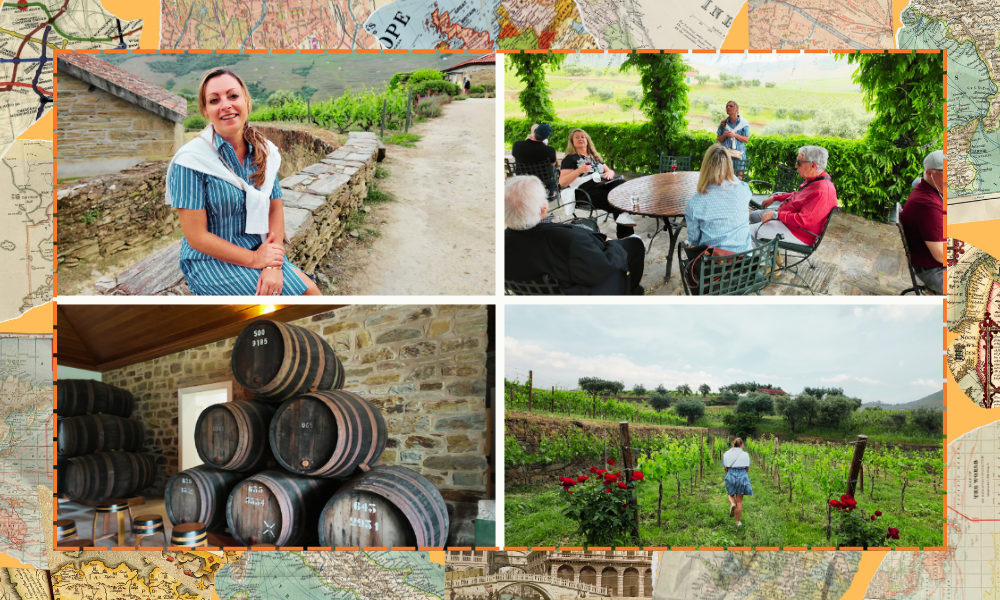
    • Exclusive Experiences: Beyond the resort, we curate private vineyard tours to legendary nearby estates like Quinta do Noval and Quinta da Roêda, ensuring you experience the Douro with VIP access.
    • Tailored Itineraries: Whether you want a week of pure spa relaxation, a deep dive into Portuguese enology, or a balanced mix of culture and leisure, we design a schedule that honors your personal rhythm.

    Why Six Senses Douro Valley Belongs on Your Travel Horizon

    Modern luxury travelers are increasingly seeking destinations that offer mental clarity alongside physical comfort. We want to disconnect from digital exhaustion and reconnect with things that are real: good food, beautiful architecture, healing nature, and authentic human connection.

    Six Senses Douro Valley achieves this balance effortlessly. It invites you to spend your morning practicing yoga overlooking the river, your afternoon learning the art of blending Port wine with an expert winemaker, and your evening stargazing from a quiet stone terrace with a glass of crisp white Douro in hand. It is an experience that lingers in your memory long after you return home.

    Your Wellness Odyssey Awaits

    The rolling green hills, the historic manor house, and the serene riverside sanctuary of Six Senses Douro Valley are waiting for you. Let FlyOver Travel orchestrate your escape to one of Europe’s most breathtaking retreats, where every detail is designed around your ultimate comfort and well-being.

    Are you ready to see the luxurious suites, world-class spa, and stunning vineyard views of Six Senses Douro Valley for yourself?

    Click here to watch our exclusive travel guide to Six Senses Douro Valley on YouTube and take a virtual tour of Portugal’s premier luxury and wellness sanctuary!

  • The Jewels of the Douro: Unveiling the Historic Elegance of Quinta da Roêda in Pinhão

    The Jewels of the Douro: Unveiling the Historic Elegance of Quinta da Roêda in Pinhão

    Discover Why This Legendary Estate Is the Ultimate Port Wine Pilgrimage for the Discursive Luxury Traveler

    There are places in the world where history is not merely recounted—it is tasted, felt, and breathed in. In the sun-drenched, rugged heart of Portugal’s Douro Valley, where ancient schist mountains plunge dramatically into the winding river below, lies an estate that has come to define the very essence of winemaking royalty: Quinta da Roêda.

    Often celebrated as the “Jewel of Pinhão,” Quinta da Roêda is more than just a historic vineyard; it is a living monument to the art of Port wine. For travelers seeking an authentic yet supremely refined escape, exploring this estate is a transformative experience.

    At FlyOver Travel, we specialize in curating “friction-free” luxury itineraries that connect our clients to the soul of a destination. We believe that true luxury is found in exclusivity, narrative depth, and seamless execution. As we share our firsthand experiences across the Douro, Quinta da Roêda stands out as an absolute must-visit for anyone looking to understand why this UNESCO World Heritage region continues to captivate the global travel stage.

    Pinhão: The Epicenter of Douro Valley Winemaking

    To understand Quinta da Roêda, one must first appreciate its setting. Located just outside the charming village of Pinhão—the undisputed capital of Port wine production—the estate benefits from a microclimate and terroir that are simply unmatched.

    When you arrive in Pinhão, the pace of life changes instantly. The frantic energy of modern cities dissolves into the rhythmic flow of the river and the quiet grandeur of the terraced hillsides. It is a place where centuries-old traditions are preserved with immense pride. Arriving by a luxury river cruise or a private chauffeured vehicle, you are immediately enveloped in an atmosphere of timeless sophistication.

    Quinta da Roêda: The Crown Jewel of Croft

    While the Douro Valley is home to many magnificent properties, Quinta da Roêda holds a legendary status, largely due to its association with Croft, one of the oldest and most distinguished Port wine houses in history, dating back to 1588.

    Walking through the vineyards of Roêda is a masterclass in viticultural history. The vines are planted on steep, hand-built schist terraces that cascade down to the water’s edge. These old vines produce fruit of extraordinary concentration and character, forming the backbone of Croft’s renowned vintage Ports.

    The Historic Old Winery and Stables

    One of the most enchanting aspects of Quinta da Roêda is its preservation of the past. The estate features old stone buildings, historic stables, and traditional granite lagares—the shallow stone troughs where grapes were traditionally crushed by foot during the harvest. Standing in these ancient spaces, you can almost hear the echoes of generations of winemakers singing and working together under the autumn sun.

    The Tasting Experience: Elegance in a Glass

    A visit to Quinta da Roêda culminates in a private, sommelier-guided tasting overlooking the breathtaking valley. Whether you are sampling a vibrant, fruit-forward Croft Pink, a perfectly balanced Reserve Ruby, or an aged Vintage Port that tells a multi-decade story, the experience is nothing short of transcendent. Paired with local artisanal cheeses and the warm hospitality of the Douro, it is a masterclass in sensory luxury.

    The FlyOver Travel Philosophy: Friction-Free Exploration

    At FlyOver Travel, we understand that planning an international escape should be as pleasurable as the trip itself. The Douro Valley is breathtaking, but its steep roads, winding geography, and exclusive estate access require expert coordination.

    How we elevate your visit to Quinta da Roêda:

    1. Private Access and VIP Tastings: We bypass the standard public tours, securing private, unhurried appointments at Roêda and surrounding elite estates so you can enjoy your tastings in total peace and privacy.
    2. Seamless Chauffeur Logistics: Forget the stress of navigating narrow mountain roads or parking near historic sites. Our private, professional drivers ensure your journey through Pinhão and the Douro is smooth, relaxing, and entirely stress-free.
    3. Holistic Itinerary Curation: We seamlessly weave your visit to Quinta da Roêda into a broader Portuguese narrative, pairing it with luxury accommodations, private boat charters on the Douro River, and cultural excursions to nearby historic sites like Lamego and Salamanca.

    Why Quinta da Roêda Belongs on Your Travel Horizon

    Modern luxury travelers are no longer looking for passive sightseeing; they are seeking depth, education, and emotional resonance. They want to know the story behind the bottle, meet the people who tend the land, and experience a culture on its own terms.

    Quinta da Roêda offers precisely that. It invites you to slow down, to admire the architectural genius of hand-stacked stone walls, and to savor a glass of wine that has been decades in the making. It is an experience that lingers in your memory long after you have returned home.

    Begin Your Douro Valley Adventure

    The terraced hills of Pinhão, the historic stone walls of Quinta da Roêda, and the golden glow of the Douro River are waiting for you. Let FlyOver Travel handle the intricate details while you immerse yourself in the pinnacle of Portuguese winemaking heritage.

    Are you ready to see the historic vineyards, traditional granite lagares, and breathtaking valley views of Quinta da Roêda for yourself?

    Click here to watch our exclusive travel guide to Quinta da Roêda in Pinhão on YouTube and take a virtual front-row tour of one of the Douro’s most historic estates!