Author: Kristin Freeman

  • Beyond the Rhine and Danube: Why Luxury European River Cruising is Reaching New Heights

    Beyond the Rhine and Danube: Why Luxury European River Cruising is Reaching New Heights

    Unlocking the Future of Luxury Travel: Inside the Boom of Multi-Generational and Immersive River Cruises with FlyOver Travel’s CEO, Kristin Freeman

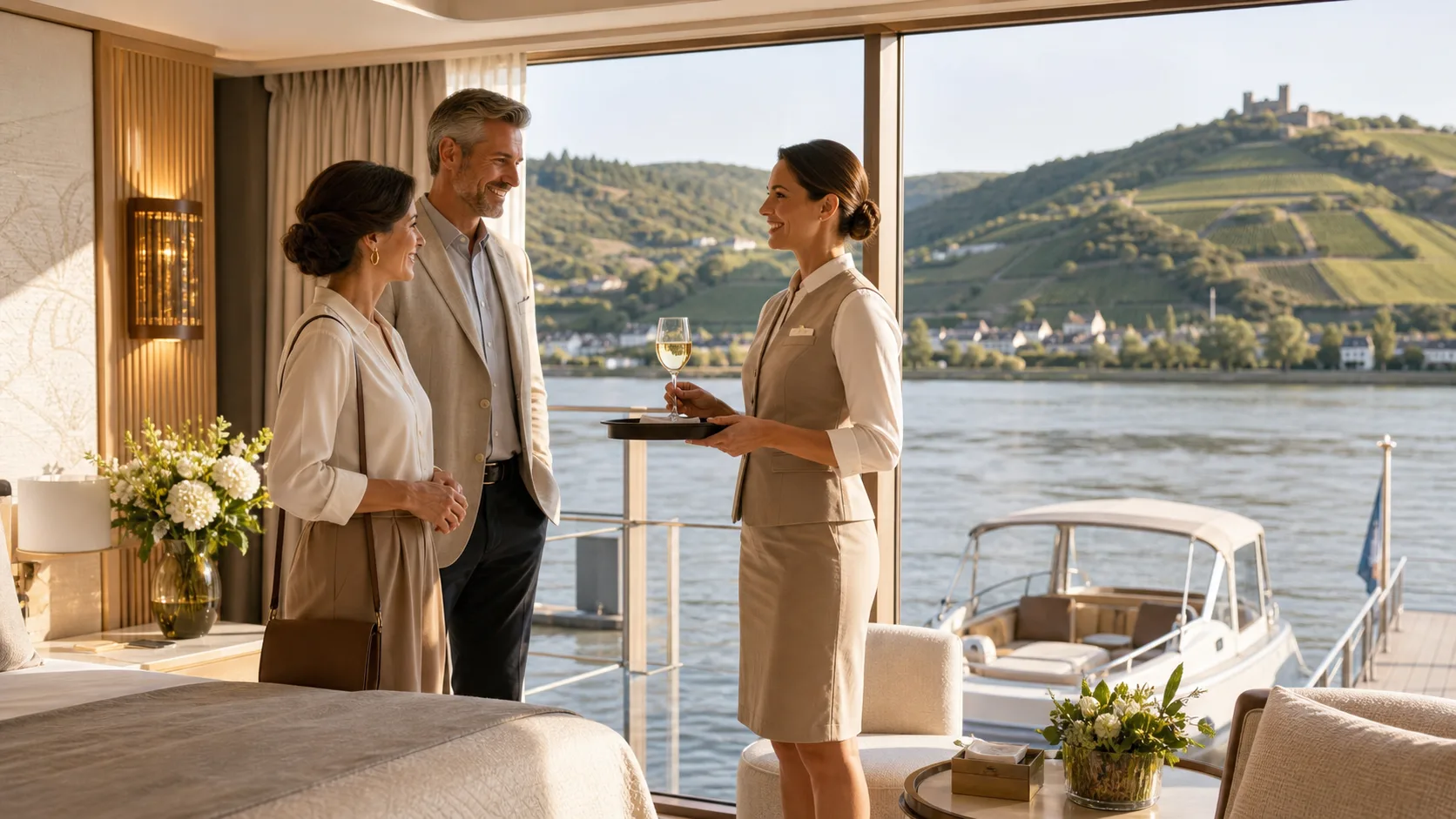
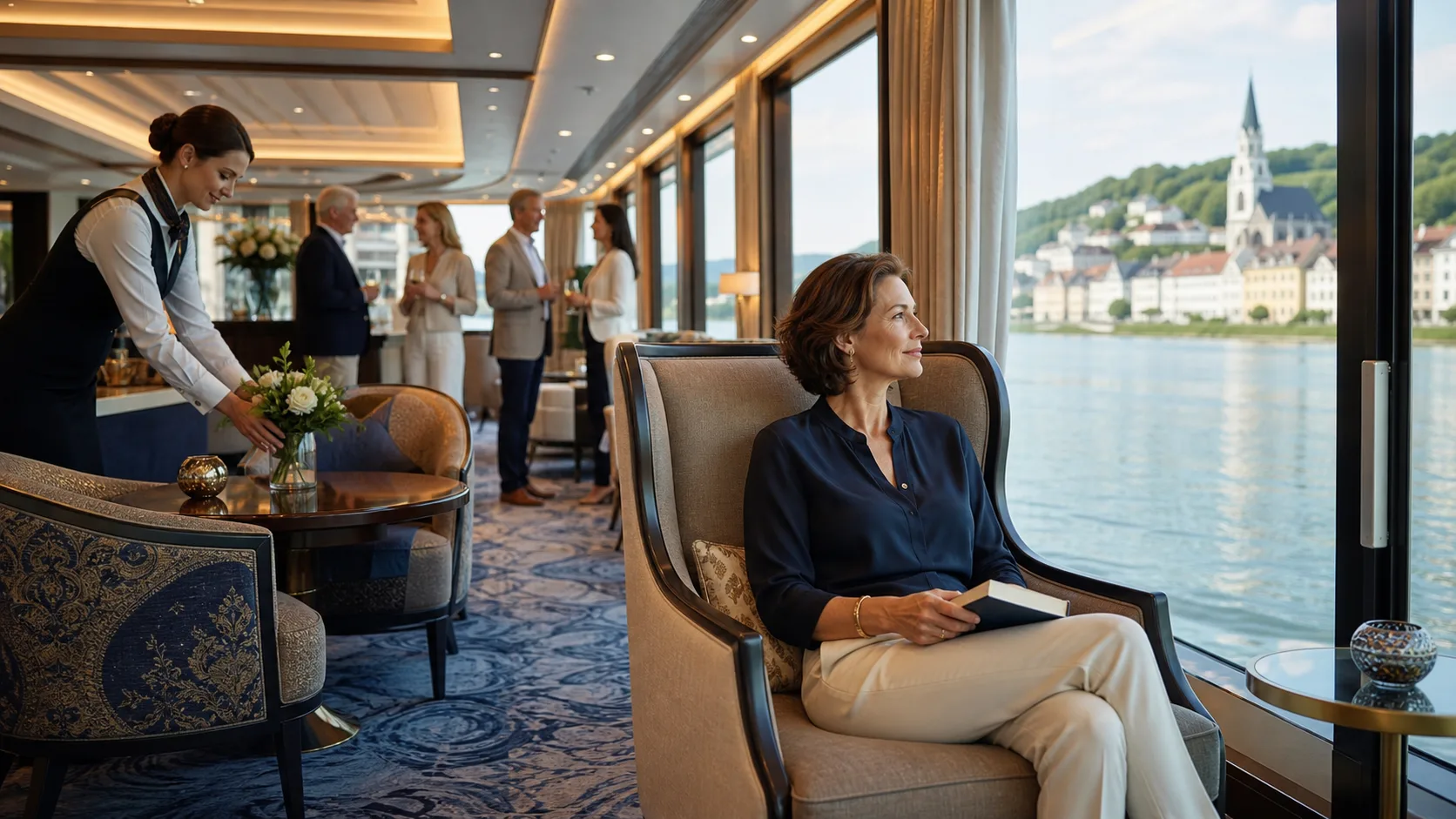
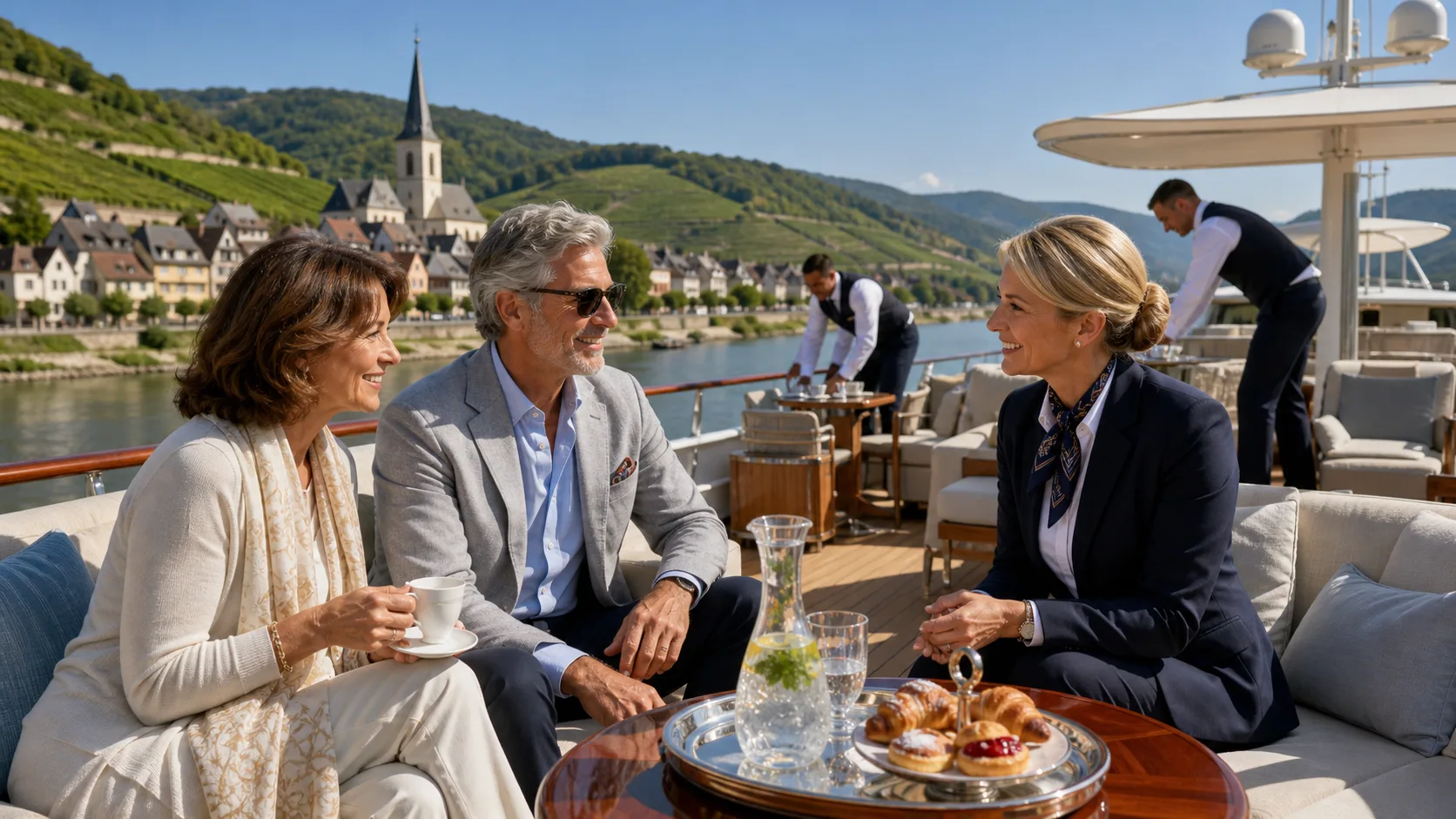
    European river cruising has long evoked a classic, tranquil image: gliding past medieval castles on the Rhine, sipping local wine on a sun deck, and exploring cobblestone European squares at a leisurely, relaxed pace. For decades, this sophisticated style of travel was primarily associated with a mature, seasoned demographic seeking peaceful historical immersion.

    However, if you think European river cruising is a stagnant sector reserved for retirees, think again. The landscape of luxury travel is shifting dramatically, driven by surging demand, innovative ship designs, and a total reimagining of what a river journey can be.

    Recently, industry insights featured in The Maritime Executive turned the spotlight on this massive evolution. Weighing in on the changing tides of the industry, Kristin Freeman, CEO of the luxury travel agency FlyOver Travel, shared a powerful perspective that is reshaping how modern travelers view luxury river voyages.

    As a premier agency dedicated to curating unforgettable global itineraries, FlyOver Travel is at the forefront of this movement. Let’s dive deep into the trends, the data, and the expert insights defining the future of European river cruising—and discover why your next luxury vacation should be on the water.

    The Evolution of an Industry: Breaking the Mold

    Historically, river cruising occupied a specific, predictable niche in the global tourism market. Major waterways like the Rhine, the Main, and the Danube served as the primary thoroughfares for travelers looking to unpack just once while traversing multiple countries. While the routes remain timeless favorites—alongside rising stars like France’s Seine and Portugal’s sun-drenched Douro Valley—the audience and the onboard atmosphere are undergoing a massive transformation. If you’re interested in checking water levels on any of these routes before you book or travel, RiverCruise.ai tracks live conditions on the Rhine, Danube, Seine, and Douro.

    As noted by The Maritime Executive, the sector has expanded exponentially over the past twenty years, spearheaded by pioneering cruise lines like Viking, AmaWaterways, and Avalon. Yet, the current wave of expansion is entirely different. It is characterized by personalization, active exploration, and a deliberate push to capture younger demographics, solo adventurers, and family groups.

    Addressing this shift head-on, Kristin Freeman, CEO of FlyOver Travel, noted in The Maritime Executive article:

    “River cruising has traditionally been branded as a more mature audience, but that’s just not true anymore.”

    This single observation cuts straight to the core of contemporary luxury travel. Today’s luxury traveler—whether they are a millennial professional, a busy executive, or a grandparent looking to bond with family—wants more than passive observation. They want active engagement, tailored wellness programs, and culinary mastery.

    It’s All About the Experience: Redefining Onboard and Onshore Luxury

    What makes a modern river cruise stand out in a crowded market? With geography inherently limited—there are only so many navigable rivers in Europe—the competitive edge no longer relies solely on the body of water you traverse. Instead, luxury travel suppliers are locked in an exciting race of innovation regarding how the experience is delivered.

    Elaborating on this trend, Kristin Freeman explained to The Maritime Executive:

    “The differentiation in the experience is based on the experience, not necessarily the river. There are only so many rivers you can travel to. It’s how the suppliers create the experiences from dining, excursions, payment, museums, chef’s tables, and things that make it unique for a traveler. Whether you want a wellness program, e-bikes, active, or relaxed, the lines are making experiences that are catered to the current and future customers.”

    This philosophy is precisely what FlyOver Travel champions for every client. Luxury is no longer just about high thread-count sheets and marble bathrooms; it is about seamless curation. It means stepping off your ship in a historic German village and immediately hopping onto an electronic bike (e-bike) for an independent guided ride through vineyards. It means returning to the ship for a farm-to-table chef’s table dinner paired with regional wines that tell the story of the valley you just sailed through.

    The Rise of Modern Amenities and Repeat Travel

    To maintain this high standard, river cruise fleets are evolving rapidly. Modern ships are shedding old design constraints, introducing state-of-the-art amenities that rival land-based five-star luxury resorts. Travelers can now expect expansive fitness centers, specialized wellness tracks, soothing onboard spas, and even swimming pools.

    Commenting on these next-generation ship features, Freeman noted that these upgraded amenities are “going to make it easy for people who took river cruises in the past to come back again and have a completely fresh perspective.” This focus on continuous reinvention ensures that veteran cruisers find fresh excitement, while first-timers are welcomed by environments tailored to their modern lifestyle expectations.

    Opening the Doors: Solo Travelers, Families, and Multi-Generational Growth

    One of the most exciting developments highlighted in The Maritime Executive report is the diversification of who is actually taking these trips. For years, single travelers faced steep financial barriers due to traditional single-supplement fees. Recognizing the shift toward independent exploration, forward-thinking cruise lines like Riviera Travel have dropped fare supplements for solo travelers, unlocking an entirely new demographic of wanderers.

    Simultaneously, family travel and multi-generational voyages are experiencing unprecedented momentum. Grandparents, parents, and adult children are increasingly choosing river cruises as the ultimate stress-free way to explore Europe together.

    Instead of coordinating multi-city train tickets, packing and unpacking every two days, or arguing over restaurant reservations in foreign languages, families can move fluidly through Europe’s cultural capitals together. Options range from adults-only contemplative ships (such as Viking’s 18-plus policy) to family-centric programs like Adventures by Disney operated in partnership with AmaWaterways.

    This growing demand for family-centric cultural exploration is something FlyOver Travel sees firsthand among its discerning clientele. Clients frequently express a desire to introduce their adult children and grandchildren to the rich history, art, architecture, and gastronomy of Europe without the logistical headaches that usually accompany independent group travel. A well-designed luxury river cruise solves this effortlessly, allowing multiple generations to share collective wonder while enjoying personalized downtime.

    The Broader Horizon: New Entrants and the 2026–2028 Boom

    The secret is officially out, and major global travel brands are rushing to enter or expand within the European river cruising sector.

    • National Geographic-Lindblad Expeditions made waves by launching its inaugural river cruises on a chartered vessel, with a second ship slated to join the fleet.
    • Industry giants like Viking and AmaWaterways are aggressively expanding their fleets, with dozens of new eco-efficient vessels scheduled for delivery through the late 2020s and early 2030s.
    • High-end ocean cruise line heavyweights like Celebrity Cruises are preparing to bring their signature style and loyal following directly to Europe’s rivers.

    This influx of capital and creative design means that the options available to luxury travelers have never been more vast—or more complex to navigate independently.

    Why Expert Guidance Matters More Than Ever

    With new ships launching, alternative itineraries expanding, and niche wellness or active programs popping up across every major waterway, planning the ideal European river cruise can feel overwhelming. Choosing the wrong ship, the wrong cabin category, or an itinerary that doesn’t match your physical and cultural pace can turn a dream vacation into a logistical compromise.

    This is where partnering with an elite, full-service luxury travel agency makes all the difference. Under the visionary leadership of CEO Kristin Freeman, FlyOver Travel takes the stress out of vacation planning. The expert team doesn’t just book trips; they design custom, 5-star itineraries tailored precisely to your personal travel style—whether you are looking for an active e-biking adventure down the Danube, a multi-generational family reunion on the Rhine, or an immersive wine-tasting voyage along the Douro.

    By leveraging deep industry relationships, insider knowledge of upcoming ship innovations, and a commitment to going above and beyond for every client, FlyOver Travel ensures that your European river cruise is executed with absolute perfection from start to finish.

    Ready to experience the breathtaking evolution of European river cruising firsthand and turn your travel dreams into reality? Connect with FlyOver Travel today to start designing your bespoke luxury river cruise and let our expert advisors handle every unforgettable detail.

    Frequently Asked Questions

    What’s new in European river cruising in 2026?

    The biggest change in 2026 is who’s building ships, not where they sail. National Geographic-Lindblad Expeditions launched its first river cruises this year, Celebrity Cruises is bringing its ocean-line service model to Europe’s rivers for the first time, and both Viking and AmaWaterways are adding new eco-efficient vessels through the rest of the decade. As Kristin Freeman of FlyOver Travel notes, the sector has “expanded exponentially over the past twenty years” — but this next wave is about reinventing the onboard experience, not just adding routes.

    What makes one river cruise line better than another if they sail the same rivers?

    There’s no single “best” river cruise line — with a limited number of navigable rivers in Europe, lines compete on what they build around the sailing rather than the water itself. “The differentiation in the experience is based on the experience, not necessarily the river,” says FlyOver Travel CEO Kristin Freeman. “It’s how the suppliers create the experiences from dining, excursions, museums, chef’s tables” — plus wellness programs and e-bike excursions for more active travelers.

    How much does a European river cruise cost?

    There’s no flat price for a European river cruise — cost depends on the cruise line, cabin category, season, and itinerary, so the same river can range from a moderate mid-tier fare to a five-figure luxury sailing. Because pricing varies so much by ship and departure date, FlyOver Travel builds a personalized quote for each traveler rather than quoting a general range.

    Can solo travelers book a European river cruise without paying a single-supplement fee?

    Yes, on a growing number of lines. Riviera Travel, for example, has dropped single-supplement fees specifically to open river cruising to independent travelers, and other lines are following that lead as solo demand grows. The policy isn’t universal across every cruise line yet, so it’s worth confirming before booking.

    Are river cruises a good option for multigenerational family trips, or is this really just a trip for retirees?

    River cruising isn’t just for retirees anymore — families are one of the fastest-growing groups on board. “River cruising has traditionally been branded as a more mature audience, but that’s just not true anymore,” says Kristin Freeman. Lines like AmaWaterways run Adventures by Disney sailings for kids and grandparents traveling together, while others, like Viking, offer 18-plus adults-only departures for couples who want a quieter pace — giving multigenerational families and solo-minded travelers real options on the same rivers.

    Do river water levels affect European river cruises, and how can I check them before I sail?

    Yes — river cruise itineraries depend on navigable water levels, and low water (most often on the Rhine and Danube in late summer) can force a ship to reroute guests by bus or skip a port entirely. If you’re interested in checking water levels before you book or sail, RiverCruise.ai tracks live, government-sourced gauge readings for the Rhine, Danube, Main, Moselle, Rhône, Seine, and Douro in one place.

  • Fear-of-Flying Luxury Trip Planning: Trains, Ferries, Short Flights, Buffers

    Fear-of-Flying Luxury Trip Planning: Trains, Ferries, Short Flights, Buffers

    Calm Luxury Journeys for Travelers Who Dislike Flying

    Flying does not have to be your favorite thing for you to enjoy a five-star vacation. You can feel anxious about airplanes, dislike long-haul flights, or simply prefer to stay closer to the ground and still relax at a Sandals Resort, sip wine on a river cruise, or check into a Ritz-Carlton or Explora Journeys property with confidence.

    At FlyOver Travel, based in the Kansas City area, we design luxury trips that respect how you feel in the air. Our job is to remove as much stress as possible, from the moment you leave your front door until you come home. That often means fewer flights, more trains and ferries, smart seat choices, and extra breathing room in the schedule.

    In this guide, we will walk through how we combine those pieces so your travels feel calm and indulgent instead of rushed and overwhelming. Early autumn is a great time to plan winter escapes to the Caribbean and Europe, plus future cruises and bucket-list trips, but these ideas work any time you are ready to travel in a gentler way.

    Redefining Luxury Travel When You Avoid Long Flights

    We like to think of “fear-of-flying friendly” as a preference, not a problem. True luxury is feeling safe, unhurried, and cared for at every step, not just sipping champagne in the air. You get to decide what feels comfortable, and the trip is built around that.

    A seasoned luxury travel agent helps by creating what we call “slow arrival” plans. Instead of stacking tight connections and extra segments, we aim for:

    • More rail and ferry rides and fewer flights
    • Longer stays in each stop, with fewer hotel changes
    • Travel days that feel reasonable, not like a test of stamina

    When people try to book everything on their own, they often end up with pieced-together tickets, short layovers in unfamiliar airports, and no plan for how their body or mind will feel. We look at the whole door-to-door picture, including your flying threshold, your sleep patterns, and even which airports feel calmer.

    From there, we focus on a few main pillars: smarter routes, the right mix of transport, thoughtful aircraft and seat choices, and buffer days around your Sandals, river cruise, and Ritz or Explora Journeys stays.

    Designing Smart Routes to Sandals Without Marathon Flights

    You can enjoy Sandals Resorts without one marathon flying day. The trick is to use shorter “hops” and easy hubs closer to the Caribbean, then add comfort around the edges.

    Some helpful tactics include:

    • Routing through a major hub closer to the islands, then flying a short leg to your Sandals destination
    • Planning an overnight at a high-end airport hotel instead of pushing through late-night connections
    • Using a nonstop to a main island gateway, then finishing with a short regional flight or a ferry when available

    For example, from a city like Kansas City, we often look at breaking the trip into two shorter segments instead of one long day with tight changes. You might fly to a warm-weather hub, spend a restful evening in a luxury hotel with a good restaurant and spa, then continue to the resort the next morning when you are rested and clear-headed.

    As a luxury travel agent, we also pay attention to details such as:

    • Avoiding routes with a history of frequent delays when possible
    • Choosing airports that have quieter terminals, better signage, and quality lounges
    • Building in layovers that feel comfortable instead of rushed power walks through crowded halls

    When planning winter Sandals stays, flight schedules, weather patterns, and holiday crowds can all affect which routes feel calmest. Planning in early autumn gives us more options for kinder timings, better seats, and less stressful connections.

    River Cruises and Ritz Stays Built Around Train and Ferry Routes

    If you prefer to spend your time gliding through scenery instead of the sky, river cruises and Ritz-Carlton or Explora Journeys stays in Europe can be ideal. The rail and ferry systems there make it easy to keep flying to a minimum.

    A common strategy is to take one transatlantic segment to a major city, then switch to first-class trains. For example, to meet a river cruise, we can often plan a route like:

    • Land in a large hub city, then take a direct train to Paris, Amsterdam, Basel, or Budapest
    • Enjoy a night or two in a city hotel before boarding your river ship
    • Continue the trip by rail afterward instead of booking extra short flights

    For land stays, we might combine a Ritz-Carlton city hotel with scenic rail legs such as Milan to Lake Como to Zurich, using ferries where they make sense in Mediterranean regions. This keeps more of your travel at ground level and turns transfers into part of the vacation.

    Comfort details matter a lot here:

    • Reserved first-class seats on key routes
    • Private transfers to and from stations and ports
    • Porters to manage luggage so you are not hauling heavy bags down platforms
    • Train times that avoid very early mornings or peak commuter hours

    We also align train arrivals with hotel check-in whenever we can, so you do not spend hours waiting in a lobby with your suitcase. This steadier rhythm helps anxious travelers feel more grounded and in control.

    Seat Choice, Aircraft Types, and Short-Haul Flight Strategies

    When you do fly, the right aircraft and seat can make a big difference. We tend to favor newer planes and cabin layouts that feel bright and quiet. For many nervous flyers, seats over the wings or on the aisle feel more stable and less boxed-in.

    Some short-haul strategies that help include:

    • Limiting total time in the air each day, so you never face a wall of flying
    • Choosing daytime flights over red-eyes whenever we can
    • Avoiding very late arrivals, since extra fatigue often makes anxiety worse

    As your luxury travel agent, we keep an eye on seat maps, upgrade windows, and any aircraft changes. If an airline swaps the type of plane, we can often step in, move your seats, and make sure the new layout still supports your comfort.

    We also offer gentle education tailored to you. That might include what normal bumps really mean, which routes are usually smoother at certain times, and how to match your seat to your main concern, such as:

    • Claustrophobia: aisle seats closer to the front
    • Turbulence worries: seats over the wing and away from the very back
    • Takeoff and landing nerves: seats that make it easy to talk with a companion or crew

    The goal is not to turn you into someone who loves flying. It is simply to give you enough control and understanding that the flight feels manageable.

    Buffer Days and Grounded Transitions That Calm Your Nervous System

    Buffer days are quiet, intentional days we build into the schedule before and after major moves like flights, cruises, and resort check-ins. They are space for your body and mind to catch up.

    We often use them in ways like these:

    • A night at a Ritz-Carlton or similar property near your departure or arrival airport before heading on to Sandals
    • An extra night in a charming city at the start or end of a river cruise
    • A soft landing day at the end of the trip, so you are not going straight from a long travel day into work the next morning

    For winter and holiday season travel, buffer days also act like gentle insurance. Weather, crowds, and busy airports increase the chance of small delays. When the plan already has breathing room, those bumps feel like small changes, not crises.

    Most important, these days are not wasted. We fill them with easy, soothing experiences, like:

    • Spa appointments or thermal baths
    • Short, guided city walks
    • Relaxed dinners in walkable neighborhoods

    The whole trip stops feeling like “survival mode” and starts feeling like what it should be: a calm, thoughtful luxury escape that respects both your dreams and your nerves.

    Elevate Your Next Journey With Bespoke Luxury Travel Planning

    Let our dedicated luxury travel agent team at FlyOver Travel turn your dream itinerary into a seamless, personalized escape. We handle every detail, from first-class flights and five-star stays to exclusive experiences that match your style and pace. Share your travel goals with us so we can curate options that feel both inspiring and effortless. When you are ready to start planning, simply contact us and we will take care of the rest.

  • European River Cruise Water Levels in 2026: What’s Actually Happening, and How to Protect Your Trip

    European River Cruise Water Levels in 2026: What’s Actually Happening, and How to Protect Your Trip

    The short version:

    • 2026 is the fifth summer in the last nine years that low water has disrupted European river cruising. Germany’s own Federal Institute of Hydrology (BfG) confirmed on August 20 that the Rhine, Danube and Elbe all fell below their historically lowest recorded levels this cycle.
    • This is bigger than a travel story: economists at the Kiel Institute for the World Economy have warned low water could erase Germany’s entire projected economic growth for the year.
    • How disruptive it’s been varies enormously by line: AmaWaterways reports zero cancelled 2026 departures; Viking says over half its operating days were affected in some way; Riviera Travel cancelled 10 sailings.
    • Cruises are almost never cancelled outright. Lines swap ships, add coach transfers, or change embarkation points instead.
    • No major line offers a blanket cash refund. Scenic and Emerald (shared parent, Scenic Group) have the only written, automatic guarantee in the industry — it pays cash rather than credit once specific delay conditions are met.
    • Standard travel insurance usually won’t help if the ship still sails, just modified. Cancel For Any Reason coverage is the real fix.
    • River cruising is still the fastest-growing cruise segment despite all of this.
    • Track it yourself, free: our live water-level tracker pulls official government gauge data every 30 minutes.

    In late July, a Viking riverboat ran aground on a shallow shoal on the Danube near Vidin, Bulgaria. It couldn’t reach a port to resupply. Police evacuated 186 passengers after the ship ran out of food and water. That’s not a worst-case hypothetical — it happened, and it’s the sharpest illustration yet of a problem that’s now a routine part of planning a European river cruise: the rivers themselves are running low, and 2026 has been the worst season for it on record.

    If you’re booked on a Rhine or Danube itinerary this year, or planning one for 2027, here’s what’s actually going on, what the cruise lines are actually doing about it, what compensation really looks like, how much bigger the story is than any one summer, and the one thing about your travel insurance almost nobody tells you.

    Why 2026 Is Different

    Low water has disrupted high-summer European river cruising for five summers running now, inside the last nine years. That’s not a one-off drought — it’s a pattern, and it tracks with a broader trend: Europe is the fastest-warming continent on earth, with temperatures rising roughly 1°F per decade since the mid-1990s, more than double the global average.

    This year broke records that had stood since the last bad one. On the Rhine, the Kaub gauge — the river’s shallowest and most-watched choke point — fell to a new all-time low since records began in 1880, well under the previous record of 25 cm set on October 22, 2018. Our own gauge tracking, pulled directly from Germany’s official PEGELONLINE network, confirmed Kaub bottomed at 5 cm on August 17. For a concrete sense of what that means in real terms rather than a relative gauge number: Dutch broadcaster NOS reported the actual navigable channel depth fell to roughly 1.30 meters near Kaub and 1.85 meters at Duisburg in mid-August — figures that make the shortfall tangible against a loaded river ship’s draft. On the Danube, the Budapest gauge dropped to 23 cm, below its own 2018 record of 33 cm, while river flow through Romania fell to roughly a third of a typical July’s volume. Two nuclear plants — Cernavodă in Romania and Paks in Hungary — had to reduce output because there wasn’t enough river water left to cool them.

    Germany’s own Federal Institute of Hydrology (BfG) — the government body that measures this for a living — confirmed on August 20 that the Rhine, Danube and Elbe, along with the Weser, Ems and Oder, all registered levels below their historically lowest recorded marks during this cycle. That’s an independent, government-sourced confirmation of the scale of this event, not a travel-industry characterization of it.

    This isn’t only a travel story. Shipping on the Rhine has been disrupted badly enough to threaten billions of euros in broader economic damage, according to reporting on German freight logistics, with some vessels limited to roughly a third of normal cargo capacity and container surcharges rising sharply. Economists at the Kiel Institute for the World Economy have gone further, warning that low water could erase Germany’s entire projected economic growth for the year. If it’s hitting the country’s GDP outlook, it’s not surprising it’s hitting river cruise itineraries too.

    Just How Disruptive Has This Summer Actually Been?

    “Historic drought” can mean almost anything until you attach numbers to it. A few that put real weight behind it:

    • Viking told investors on its Q2 2026 earnings call that more than half of its European river-cruise operating days between mid-July and mid-August were affected by low water in some way — not cancelled, but modified: a ship swap, a different dock, a longer coach ride.
    • Of guests booked on those affected Viking itineraries, roughly 10–12% chose to cancel their own trip rather than sail a modified version, according to reporting on that earnings call.
    • Riviera Travel cancelled 10 European river departures and modified 6 more as of mid-August — a reversal from its own July statement that it would not cancel any sailings, as conditions kept deteriorating through the month.
    • AmaWaterways, by contrast, says it had not cancelled a single 2026 departure as of its own most recent public statement, relying on ship swaps, motorcoach segments, and itinerary redesign to keep every booked guest sailing in some form. (One passenger account describes AmaWaterways offering a 20% future-cruise discount on a specific affected Amsterdam–Basel sailing — a discretionary, single-sailing gesture, not a stated general policy.)

    That range — from zero cancellations to over half of operating days affected — is the real story: how bad your specific summer gets depends enormously on which line, which river, and which week you’re sailing, not on the drought as a single number.

    What Other Experts Are Saying

    This isn’t just RiverCruise.ai’s read on it. Tauck’s leadership has been reported elsewhere calling 2026 the worst low-water season since 2018, with extreme weather patterns making similar disruption more frequent in the coming years described as a real possibility rather than a one-off.

    Separately, the Kiel Institute’s economic-growth warning above puts an independent, non-travel-industry number behind how seriously this is being taken outside the cruise business — that’s a macroeconomics research institute talking about GDP, not a travel writer talking about vacations.

    What a Gauge Number Actually Tells You

    Every river gauge reading you’ll see — on a news site, a tracking tool, or a cruise line alert — is a “Pegel” reading: water depth at one fixed measuring point, not a verdict on whether ships can sail. What determines that is navigable depth: the gauge reading, adjusted against that station’s known reference marks, compared to your specific ship’s draft. You’ll also see different “critical” numbers depending on the source — some cite the level where a stretch becomes nearly impassable for freight barges, others cite the level where large, fully laden river cruise ships specifically can no longer pass. Those aren’t the same number, and most sources don’t say which one they mean. Ask your line for their own ship’s operating minimum at the gauge that matters for your itinerary — not a number from a blog, ours included.

    A “record low” headline is scary. What actually matters is whether the water is below your ship’s draft, at your specific choke point, on your specific sailing date.

    What the Cruise Lines Are Actually Doing (2026)

    Every major operator has some version of the same three tools: swap the ship on the other side of a shallow stretch, bus passengers around it, or shift where they board. Here’s how each has actually been applying that in 2026, based on reporting and each line’s own statements through mid-August:

    AmaWaterways — By its own account, zero 2026 departures cancelled as of its latest public statement. Sister-ship swaps, motorcoach segments, and itinerary redesign used to keep guests moving; guests notified in advance via travel advisors and the myAmaCruise app.

    Avalon Waterways — Small number of departures cancelled. Avalon Impression capped at Koblenz; Legendary Danube boarding shifted Nuremberg to Passau. Automatically transfers guests to a sister ship if a disruption is unresolved after 48 hours. Real-time updates posted on social media.

    Viking — More than half of European river-cruise operating days affected mid-July–mid-August, per its own Q2 2026 earnings call — mostly modifications, not cancellations. Roughly 10–12% of guests on affected itineraries cancelled voluntarily.

    Uniworld — Rhine/Danube sailings adjusted (bus transfers, bus-fly-sail routing); France, Italy, and Portugal sailings unaffected. Too early to say whether September/October departures need changes.

    Scenic — Has offered an automatic, no-charge “River Cruise Travel Guarantee” since 2016–17, backed by Chubb Insurance, covering high/low-water delays: a 3+ hour coach transfer, or a ship-swap delay of 24+ hours. Reimburses cruise fare directly — cash, not credit — once the trigger is met.

    Emerald Cruises — Shares a parent company (Scenic Group) with Scenic, including the same guarantee structure and the same operational toolkit — vessel swaps, changed embarkation points, coach transfers, hotel stays — for the same affected stretches of the upper Danube, Rhine, and Main.

    Riviera Travel — Cancelled 10 departures, modified 6 more, as of mid-August — a reversal from its July statement that it would not cancel any sailings. Affected guests: transfer to a 2026/2027 departure, full refund, or switch to an unaffected river (Douro, Seine, Rhône).

    Tauck — Adjusted a limited number of Rhine/Danube sailings; some Lower Danube departures cancelled. Guests advised to reconfirm details directly before departure.

    The throughline: outright cancellation is the exception, not the rule. Most people sail. What changes is where you board, how you get between certain points, and how much of that time is on a bus instead of a sundeck.

    What Compensation Actually Looks Like

    It’s worth some perspective before you assume the worst: even in 2018, the last comparably bad year, only about 80 of AmaWaterways’ roughly 600 European departures — around 13% — were affected, and Avalon put its own number at closer to 10%. Most sailings, most years, run close to plan.

    Scenic and Emerald are the only lines here with a codified, automatic guarantee — reimbursing cruise fare directly, in cash, once a delay or cancellation trigger is met, rather than issuing credit. Every other line handles it case by case:

    • Future cruise credit is the most common remedy. In 2018, AmaWaterways credited guests 15% of fare per disrupted day on affected seven-night sailings — a useful benchmark for what “credit, not cash” looks like in practice (this is a 2018 figure; ask your line for its current 2026 terms). One 2026 passenger account describes AmaWaterways offering a 20% future-cruise discount on a specific affected sailing.
    • Partial fare refunds for nights genuinely spent in a hotel instead of aboard ship, which is Avalon’s standing approach — plus a penalty-free cancellation option when the line already knows a hotel substitution is coming.
    • A choice of remedies, which is Riviera Travel’s 2026 approach for affected guests: transfer to another 2026/2027 departure, take a full refund, or switch to an unaffected river.

    Two things worth doing regardless of which line you’re sailing: get any compensation offer in writing the same day it’s made, and keep a simple log — dates, what changed, what you were told — while it’s happening, not from memory afterward.

    The Insurance Gap Almost Nobody Explains

    This is the part that catches people off guard. Standard trip cancellation and interruption insurance is built around your trip not happening — cancelled flights, a medical emergency, a hurricane that shuts down the port. A low-water disruption usually doesn’t qualify, because your cruise still happens. The ship still sails; it just sails a modified route, with a bus segment or a different embarkation city. Most standard policies simply don’t have a trigger for “the trip happened, but not the way I booked it.”

    The real lever is Cancel For Any Reason (CFAR) coverage — an upgrade that lets you back out and recover a portion (typically 50–75%) of your nonrefundable trip cost for literally any reason, including “I don’t want to risk a modified itinerary.” It has to be purchased within a short window after your first trip deposit, not added later once conditions look bad, and it costs more than standard coverage. A newer category of insurance product, purpose-built to cover flood- and drought-driven itinerary disruption specifically, is also starting to reach the market — worth asking your advisor to shop for by name if you’re booking now.

    The single most useful question to ask before you buy any policy: “Does this cover a modified itinerary where the ship still sails?” If the answer is no — and for most standard policies, it is — that’s what tells you whether CFAR is worth the extra cost for your trip.

    Is River Cruising Still Growing Despite All This?

    None of this has slowed the industry down — if anything, it’s still the fastest-growing part of it. Global cruise passenger volume hit a record 37.2 million in 2025, up from 34.6 million in 2024 and 31.7 million in 2023, with 38.3 million projected for 2026, according to CLIA’s 2026 State of the Cruise Industry Report. River cruising specifically is projected to grow faster than any other cruise segment — a 14.4% compound annual growth rate through 2033, per Grand View Research’s cruise market analysis.

    Operators are backing that with real fleet investment, not just marketing: Viking has ten new river ships launching before the end of 2026 and firm orders that take its river fleet to 112 vessels by 2028; AmaWaterways is debuting AmaSofia on the Rhine and AmaMaya on the Mekong this year, with a plan to reach more than 50 ships by 2032; Royal Caribbean Group is adding ten more river ships to its Celebrity brand by 2031. The passenger base is shifting too — the average river cruise passenger’s age dropped from 66 in 2019 to 55 in 2024.

    The takeaway isn’t that low water doesn’t matter — it clearly does, to the people it happens to, and it’s clearly denting the broader regional economy this year. It’s that the industry, and the people booking it, are treating this as a planning problem to manage, not a reason to stop cruising.

    What Might the Future Hold?

    We’re not going to pretend to predict next summer’s water levels. Nobody can — not us, not the cruise lines, not the meteorologists who study this for a living, and any article that tells you otherwise is guessing. What the actual river-basin research bodies have published is more modest than a forecast, but worth knowing:

    • The International Commission for the Protection of the Rhine (ICPR) and the International Commission for the Hydrology of the Rhine Basin (CHR) both project that, as glacier and snowmelt buffering continues to decline through the rest of this century, low-flow periods on the Rhine between May and October are likely to become more frequent, last longer, and be more pronounced — while winter flows are expected to rise.
    • The EU’s Copernicus Climate Change Service tracks the Rhine specifically as an inland-navigation risk indicator, alongside broader European data showing the continent warming at roughly twice the global average rate.

    That’s a shift in probability over decades, described by scientists studying the whole river basin — not a guarantee about any specific summer, including next year’s. Treat it as a reason to plan with some flexibility built in, not as a reason to assume the worst about a cruise you haven’t taken yet.

    Is It Getting Better? Where Things Stood as of Our Last Check

    Rivers move fast, and any specific number here will be out of date quickly — that’s exactly why we built a live tracker instead of a static page. But as of Germany’s official August 20 hydrology bulletin, recent and forecast rainfall had brought “some temporary respite” to the Rhine, with levels moving out of the most extreme low-flow range in a number of places. The same bulletin was explicit that this is not a sustained recovery: reversing the broader deficit would require the kind of intense, sustained rain that’s more typical of autumn or winter, and near-term forecasts remain uncertain. In plain terms: better than the worst days of mid-August, still historically low, not fixed.

    Track It Yourself, in Real Time

    As an added resource for our clients and prospective travelers, we built RiverCruise.ai as a central place to monitor this — blending the same public government data referenced throughout this piece with the kind of live, plain-English tool that didn’t otherwise exist for river cruisers. We didn’t create the underlying readings; every one of them traces back to an official source. What we built is the page that makes them usable in one place instead of a dozen bookmarked government dashboards.

    Our own live European river water-level tracker is free, requires no login, and pulls directly from official government sources — Germany’s PEGELONLINE gauge network for real-time readings, plus modeled flow data covering the Rhône, Saône, Seine, Danube (Vienna, Bratislava, and Budapest), and Douro. It refreshes automatically every 30 minutes, so you’re never looking at a number from three days ago.

    If you specifically want a second read on the Rhine, Amsterdam Experiences also runs a free tracker covering five Rhine gauges (Basel, Maxau, Kaub, Cologne, and Lobith) with a short-range forecast. It’s Rhine-only and doesn’t cover the Danube, Seine, or Douro, but it’s a solid, honest option if you’re doubling up.

    A few practical habits, whichever tool you use: start checking about six to eight weeks before departure, not the week of. Find out from your cruise line which specific gauge or stretch actually matters for your itinerary — not every sailing crosses the same choke points. And if a reading starts trending the wrong way, call your advisor before you assume the worst; a modest dip rarely means a modified trip, and someone tracking this daily can tell you which it is.

    Booking Smarter for 2027

    • Timing is the biggest lever you control. Late June through August is consistently the highest-risk window on the Rhine and Upper Danube. Shoulder-season sailings — April/May or September/October — see meaningfully fewer disruptions.
    • Ask the choke-point question before you book, not after: which specific stretch is this itinerary’s known vulnerability, and what does the line’s written contingency plan look like for it?
    • Ask what actually triggers compensation. A written, automatic policy like Scenic/Emerald’s is a genuinely different product than a case-by-case promise, even if the sailing itself looks identical on paper.
    • Weigh CFAR insurance against price if the exact itinerary matters more to you than the exact dollar amount.
    • Work with an advisor who’s actually watching this, rather than finding out about a ship swap from a hotel front desk the night before.

    Cruise Line Resources

    For your own itinerary’s latest advisory, always check your specific line directly — nothing here replaces that.

    Frequently Asked Questions

    Are European river cruises being cancelled because of low water levels?
    Rarely, as a first move. Most lines use ship swaps, coach transfers, or changed embarkation points to keep departures running before they cancel anything. In 2026, cancellation rates varied widely by line — AmaWaterways reported zero cancelled departures by its own account, while Riviera Travel cancelled 10 and Avalon cancelled a small number, mostly on the hardest-hit Rhine and upper Danube stretches.

    What actually happens if my river cruise can’t sail through a shallow stretch?
    Typically one of three things: your ship is swapped for a sister vessel waiting on the other side of the shallow section, you’re bussed around it and rejoin the ship further along, or your embarkation or disembarkation point is moved to a deeper-water city. Full cancellation is the last resort, not the first response.

    Will I get a refund if my river cruise itinerary changes because of low water?
    Usually not in cash, unless your line has a written guarantee like Scenic and Emerald’s. Most lines offer future cruise credit or a partial refund for nights spent in a hotel instead of on the ship. Ask your specific line what its written policy is before you book, since it varies significantly by operator.

    Does travel insurance cover a river cruise disrupted by low water?
    Standard trip cancellation/interruption insurance usually does not, because the cruise still operates — just on a modified route. That’s a common misunderstanding. Cancel For Any Reason (CFAR) coverage, purchased early after your deposit, is the product actually built to cover this kind of situation.

    Which European rivers are most affected by low water levels?
    The Rhine (especially the Middle Rhine around Kaub) and the Danube (particularly the upper stretch between Regensburg and Passau, and the lower Danube through Hungary and Romania) see the most disruption. Germany’s own hydrology agency (BfG) reported the Elbe, Weser, Ems and Oder affected too in 2026. The Seine, Rhône, Saône, and Douro are generally less prone to this specific problem.

    How can I check river water levels before my cruise?
    RiverCruise.ai’s free live water-level tracker pulls official government gauge data (Germany’s PEGELONLINE network) and updates every 30 minutes, with coverage across the Rhine, Danube, Seine, Rhône/Saône, and Douro. Amsterdam Experiences also runs a free, Rhine-only tracker as a second option. Start checking about six to eight weeks before departure.

    What water level is considered “too low” for a river cruise ship?
    There’s no single agreed number. Different sources cite different thresholds depending on whether they mean freight barges or large passenger ships, and every gauge has its own reference marks. The honest answer is to ask your specific cruise line for their ship’s operating minimum at the gauge that actually affects your itinerary, rather than trusting one number from a blog.

    When is the highest-risk time of year to book a European river cruise?
    Late June through August, when snowmelt has tapered off and summer heat increases evaporation. Shoulder-season sailings in April, May, September, and October see meaningfully fewer low-water disruptions.

    What is a “ship swap” on a river cruise?
    It’s when a cruise line moves guests from one ship to a sister vessel waiting on the other side of a shallow stretch, usually by bus, so the trip can continue without cancelling the sailing. It’s the most common tool cruise lines use to keep departures running during low water.

    Is river cruising becoming riskier because of climate change?
    European river-basin research bodies, including the International Commission for the Protection of the Rhine, project that low-flow periods are likely to become more frequent and pronounced over the coming decades as glacier and snowmelt buffering declines. That’s a shift in long-term probability, not a forecast for any specific summer — no one can predict exactly what next year’s rivers will do, and the industry continues to grow despite the disruption.

    Bottom Line

    Most river cruises this year sailed close to plan — the ones that didn’t were handled with a bus, a hotel night, or a different ship, not a cancellation. If you want a second set of eyes on your own itinerary’s specific risk, or you’re weighing insurance before you book 2027, that’s an easy conversation.

    Sources: Forbes · Bloomberg · Fortune · Bundesanstalt für Gewässerkunde (BfG) · Anadolu Agency · Cruise Passenger· Travel Market Report · The Points Guy · Open Jaw · Cruise Critic · PEGELONLINE · CLIA · Grand View Research · ICPR/CHR · Copernicus

  • Quiet-Luxury Itineraries for Introverts: Low-Stimulation 5–7 Day Plans

    Quiet-Luxury Itineraries for Introverts: Low-Stimulation 5–7 Day Plans

    Finding Your Quiet-Luxury Sweet Spot

    You can love travel and still hate crowds, loud music, and endless small talk. Quiet luxury is about soft spaces, gentle schedules, and having room to breathe, even in popular places. When trips are planned with this in mind, you can come home rested instead of drained.

    At FlyOver Travel, we build trips around calm, not chaos. We work with Sandals Resorts, river cruise lines, Ritz-Carlton hotels, and Explora Journeys to create peaceful, high-comfort getaways that respect your energy. Here, we will walk through how to choose the right room or cabin, when private transfers are worth it, how to pick low-stimulation excursions, and sample 5- to 7-day plans for late-summer and fall travel.

    Choosing Calming Rooms and Cabins That Actually Restore You

    For introverts, where you sleep is more than a bed, it is your recharge station. The wrong location can turn a great resort or ship into constant noise. The right one becomes your quiet retreat.

    We pay close attention to things like distance from elevators, pool decks, and late-night bars; whether the hallway is a main path or a tucked-away corner; what is above and below you (like a lounge or a kids’ area); and how much foot traffic passes your door.

    At Sandals, we often recommend rooms in smaller, quieter buildings set back from the main pool. If you want water access without the party vibe, we look at swim-up suites in calmer sections. And if you want an even smoother arrival and fewer friction points, Club or Butler categories can be a good fit because they give you private check-in and lounge access.

    On river cruises, mid-ship cabins with French balconies work well. You are away from engine noise and anchor sounds, but you still get fresh air and views without people walking past your window.

    For Ritz-Carlton, higher floors away from event spaces usually feel most peaceful. We look for rooms that do not back up to ballrooms, kids clubs, or busy restaurants.

    Explora Journeys focuses on a calm onboard feel already, but location still matters. Deep balconies and thoughtful sound design help, and we can choose suites in quieter corridors so you have a true hideaway.

    We also think through sensory details that affect how restorative the space feels:

    • Natural light you can control with blackout curtains
    • Access to outdoor space like a balcony or terrace
    • In-room dining so you can eat in silence when you want
    • A soaking tub and cozy chair or small desk for reading and journaling

    The Gift of Private Transfers and Low-Stress Logistics

    Travel days are often the hardest for introverts. Airports, lines, check-in desks, and loud shuttles can use up all your social and sensory energy before your vacation even starts.

    Private transfers help protect that energy. Instead of waiting on a crowded shuttle to Sandals, a private car means:

    • No extra stops for other guests
    • Soft music or quiet, your choice
    • Space to decompress after the flight

    For river cruises, we can set up private arrival and departure services between the airport, the port, and your ship. At Ritz-Carlton hotels, a sedan or SUV arranged by the hotel lets you skip the taxi scramble outside.

    Explora Journeys puts a lot of care into port transfers, and we layer on details that keep the day feeling calm:

    • Flights at calmer times of day
    • Airport lounge access so you wait in a quiet space
    • Fast-track services where available
    • Staggered check-in times so you arrive when it is less busy

    As a luxury travel agent, we do this planning ahead of time so each step has a buffer. That makes the whole trip feel softer from the first airport to the last ride home.

    Low-Stimulation Excursions That Still Feel Special

    Excursions do not have to mean loud crowds and packed tour buses. For introverts, it works better to choose depth over quantity. One beautiful, gentle experience can feel richer than five rushed stops.

    In practice, that usually means choosing small-group or private tours where you can hear and not feel “on,” and timing experiences for early morning or sunset when places are cooler and quieter. We also tend to prioritize nature-forward outings like gardens, calm beaches, or river paths, and we intentionally build in recovery time through spa days and thermal suites with long, quiet stretches. Even food and wine tastings can be low-stimulation when there is seating and time to linger.

    By brand, that might look like:

    • Sandals: private beach cabanas, off-peak snorkel trips, or a calm catamaran sail at non-party hours
    • River cruises: tranquil vineyard visits, small-group town walks, or Christmas markets at quieter times of day
    • Ritz-Carlton: guided art or garden tours, scenic parks, and spa or pool days with cabana reservations
    • Explora Journeys: slow-paced, small-group shore experiences that let you enjoy the port without rushing or noise

    We build your excursion plan so each “high-input” moment is followed by quiet time.

    Sample Quiet-Luxury Itineraries for Late Summer and Fall

    Here are three gentle frameworks you can shape around your own rhythms.

    Sandals, 6 days:

    • Day 1: Late-afternoon arrival, private transfer, quiet room in a tucked-away building, room-service dinner on the balcony.
    • Day 2: Morning private snorkel, afternoon reserved beach cabana, early dinner at a quieter restaurant.
    • Day 3: Slow morning, spa visit in early afternoon, sunset walk on the beach.
    • Day 4: Morning small-group catamaran, nap and reading time, butler arranges a low-key dinner.
    • Day 5: Optional cooking class, then indoor bar with soft music in case of rain or heat, early night.
    • Day 6: Late checkout if possible, private transfer back to the airport.

    For late August and early fall, we suggest planning around a few comfort-forward realities. Look for resorts with coves and calmer waters rather than party strips, and make sure you have indoor lounges and spa time ready as backup for rain or storms. We also recommend keeping outdoor time earlier in the day so you can avoid peak heat.

    Rhine or Danube river cruise, 7 days:

    Sea-style days are rare on river cruises, so we make “ship days” out of quiet stretches. In each port, we keep the structure simple: one planned activity, like a short walking tour or castle visit, followed by free time so you are not constantly “performing” your vacation.

    A sample rhythm:

    • Morning: Light breakfast on your balcony, then an optional tour.
    • Midday: Return to the ship for lunch, reading in a quiet lounge as others stay in town.
    • Late afternoon: Gentle bike ride or solo café stop.
    • Evening: Dinner at a small table, then a brief look at live music before heading back to your cabin.

    We also help choose:

    • Lines known for a calmer vibe
    • Shoulder season dates with fewer crowds
    • Cabins near, but not next to, lounges so you can join in or slip away easily

    Ritz-Carlton + Explora Journeys combo ideas:

    For a 5 to 6 day Ritz-Carlton stay, we often shape the trip around slower starts and earlier evenings so you get the benefits of a beautiful property without the sensory load. That rhythm usually includes room-service breakfast and coffee on the balcony, spa treatments or a quiet pool cabana late in the morning, a short city walk to a museum or garden in mid-afternoon, and early dinner reservations before peak noise.

    For a 7-day Explora Journeys sailing, the cadence stays intentionally light. Sea days tend to be about balcony breakfasts, the thermal spa, and quiet corners of lounges with a book, followed by an early bed. On port days, we plan one handpicked excursion, such as a gentle cultural walk or small-group tasting, then build in time back on the ship while others are still ashore. Evenings are handled in ways that feel safe to your energy, which might mean one or two shows for the whole week, with most nights spent in calm spaces.

    Before you travel, we share your preferences with each partner: room on the quiet side, gentle housekeeping times, dietary notes, spa and cabana bookings, and a bias toward private or small-group experiences. That way your introverted needs are honored at every step.

    Transform Your Next Escape Into a Seamless Luxury Experience

    Let us handle every detail of your itinerary so you can simply arrive and enjoy. As a luxury travel agent, FlyOver Travel curates personalized journeys, from five-star accommodations to exclusive, once-in-a-lifetime experiences. Share your travel dreams with us, and we will tailor a trip that fits your tastes, timing, and budget. Ready to start planning your getaway? Just contact us and we will take it from there.

  • Luxury Ocean Cruise vs. River Cruise for Group Celebrations

    Luxury Ocean Cruise vs. River Cruise for Group Celebrations

    Celebrate in Style on the Water: Your Way

    Big moments deserve more than booking a block of hotel rooms and hoping for the best. Anniversaries, milestone birthdays, retirement trips, multi‑generation reunions, and friend getaways feel different when you take them out on the water, where everyone can relax, connect, and be pampered.

    The big question many groups ask is simple: ocean cruise vs. river cruise: Which is better? Both can be very luxurious, and both can give you that “everything taken care of” feeling. They just do it in different ways.

    At FlyOver Travel, based in the Kansas City area, we plan custom ocean and river cruises around the world, along with stays at high‑end resorts like Sandals and brands like Ritz-Carlton and Explora Journeys. Our goal is to give groups a smooth, luxe celebration with no stress over the details. Below is a clear, side‑by‑side look at both cruise styles, with ideas tailored to luxury‑minded groups planning late‑summer and holiday‑season trips.

    Luxury Ocean Cruises for Groups

    Luxury ocean cruises today feel more like chic floating resorts than giant theme parks. On premium lines or in ship-within-a-ship suite areas, you will find:

    • Fewer crowds and more space per guest
    • Elevated dining with multiple restaurants
    • Butler service and dedicated concierges in top suites
    • Spa‑focused ships such as The Ritz-Carlton Yacht Collection and Explora Journeys

    For larger groups, ocean ships shine. You get:

    • Many cabin types and suite layouts, perfect for different budgets
    • Several restaurants, bars, lounges, and coffee spots
    • Big pool decks with cabanas and hot tubs
    • Theaters, live music venues, and late‑night lounges

    This variety means guests can spend the day doing their own thing, then come together for group dinners, sailaway toasts, or private events. It works well when you have a mix of early‑to‑bed guests and night owls, spa lovers and casino fans, foodies and sunbathers.

    Destination style is also a big perk. Ocean cruises cover:

    • Caribbean islands for beach time and water sports
    • Mediterranean ports for history, food, and seaside towns
    • Alaska for glaciers and wildlife
    • Longer routes like transatlantic sailings for those who love sea days

    Late summer and fall often bring fewer crowds in popular areas like the Mediterranean and Caribbean, with pleasant weather and a lively but not hectic vibe onboard. That can be ideal if your group wants warm sun, fun parties, and space to breathe.

    Why River Cruises Feel so Special for Celebrations

    River cruises are quieter and more intimate. The ships are much smaller, with fewer guests, so it often feels like you are all sharing a private club or a floating boutique hotel. For close groups who want to spend real time together, this setting can feel just right.

    The biggest draw is how close you are to the destinations. River ships usually dock right in the heart of European cities and charming towns along rivers like the Danube, Rhine, Rhône, or Douro. You step off and you are already there, often with:

    • Included walking tours and cultural visits
    • Local food and wine tastings
    • Seasonal markets and festivals
    • Scenic sailing past castles, vineyards, and villages

    Luxury travelers love that the pace is slower and calmer. Service levels are high, cuisine is a highlight, and pricing often includes drinks, excursions, and Wi‑Fi. Instead of rushing from one big attraction to another, there is time for long talks on deck, slow breakfasts, and relaxed evenings with your favorite people.

    For late‑summer and fall trips, European rivers are especially pretty, with vineyards at harvest time and cooler weather that makes walking tours and bike rides more comfortable. Wine‑themed sailings can turn a birthday or anniversary into a rich, shared experience.

    Ocean Cruise vs. River Cruise for Groups: Key Differences

    When you ask “ocean cruise vs. river cruise: Which is better?” it really comes down to your group’s style, energy, and comfort needs.

    Experience and vibe:

    • Ocean ships bring more buzz: big‑stage shows, comedy, live bands, nightclubs, several pools. Great for groups who want lots of options and a party feel.
    • River ships feel calm and cozy: a lounge, a dining room, maybe a small sun deck, and quiet nights in port. Ideal for those who prefer conversation, scenery, and early mornings.

    Space and privacy:

    • Ocean cruises offer a wide range of cabins and suites, including large balconies and multi‑room layouts, plus private spaces like specialty restaurants or lounges that can be reserved for group events.
    • River ships give you easier “all together” time, since everyone is just a short walk away and there are fewer venues to keep track of. It is simpler to stay connected and not lose anyone.

    Logistics and accessibility:

    From the Kansas City area and other Midwest hubs, ocean cruise ports like Miami or Fort Lauderdale can be fairly straightforward to reach, while European river cruise ports might mean a long‑haul overnight flight. This is where careful planning can help. We often build in pre‑ and post‑stays, such as a Ritz-Carlton city hotel before a river cruise or a relaxing resort stay after a busy ocean sailing, so the travel feels smooth and not rushed.

    Matching the Right Cruise to Your Celebration Style

    The best pick depends on the kind of celebration you are planning.

    Ocean cruises tend to fit:

    • Big birthday blowouts with friends
    • Multi‑generation family trips where kids, parents, and grandparents all want different things
    • Corporate incentive groups that want wow factor, shows, and lively bars

    River cruises often work beautifully for:

    • Honeymoons and anniversaries
    • Small romance‑focused groups, like couples who travel together
    • Close families or friend groups who want deep conversation and shared cultural experiences

    Ask your group a few questions:

    • Are you energized by live music, multiple bars, and late‑night options, or drawn to quiet decks and scenic sailing?
    • Do you want many food and entertainment choices, or curated cultural tours and wine tastings?
    • Does your group value big suites with lots of privacy, or a cozy ship where everyone is always nearby?

    For ultra-luxury ocean experiences, lines like Explora Journeys and The Ritz-Carlton Yacht Collection stand out for their service, suite comfort, and relaxed, upscale atmosphere. On the river side, premium lines offer sophisticated ships, fine dining, and a more inclusive feel that works very well for special occasions.

    A good advisor will also factor in mobility needs, introverts vs. extroverts, and different comfort levels with travel. The goal is a celebration where no one feels left out, lost, or overwhelmed.

    When Resorts Beat Both: Sandals and Land Plus Sea

    Sometimes the best answer is not ocean or river at all. All‑inclusive luxury resorts like Sandals can be perfect for groups who want to unpack once, feel the sand between their toes, and have nearly everything included.

    Compared to cruise life, a Sandals stay gives you:

    • Beachfront suites and private villas, including butler‑level options
    • Many dining choices with gourmet food and premium drinks
    • Water sports like snorkeling, paddleboarding, and sailing
    • Wedding and vow renewal options that keep planning simple

    For some celebrations, it is even better to mix land and sea. A group might spend a week on a river or ocean cruise, then add a few nights at a Ritz-Carlton hotel in a major city, or a Sandals Resort in the Caribbean, to wind down. This layered style can make long‑distance travel from the Midwest feel more worthwhile and relaxed.

    Late summer and fall often bring comfortable weather and more flexible availability at many resorts and on some cruise itineraries. With air, transfers, and all the fine details handled by a professional, your group can focus on what truly matters: being together, in style.

    Find Your Perfect Cruise Experience With Expert Guidance

    Whether you are drawn to sweeping ocean vistas or intimate riverside villages, we help you choose the cruise style that truly fits how you like to travel. Start by exploring Ocean cruise vs. river cruise: which is better? to compare your options side by side. Then contact us so FlyOver Travel can tailor an itinerary that matches your budget, timing, and travel goals.

  • The River of Gold: Why an AmaWaterways Douro River Cruise is the Ultimate European Luxury Escape

    The River of Gold: Why an AmaWaterways Douro River Cruise is the Ultimate European Luxury Escape

    Discover the Magic of Portugal’s Vine-Covered Valleys, Historic Estates, and Unmatched Serenity on the Douro

    There is a rhythm to the Douro River that is unlike anywhere else in Europe. It isn’t the frantic pulse of a major city or the predictable roar of the open sea; it is a slow, intoxicating melody of rolling hills, ancient terraced vineyards, and the gentle lapping of water against the hull of a luxury river ship.

    At FlyOver Travel, we are often asked by our most discerning clients: “What is the most relaxing, yet culturally immersive way to see Portugal?” Our answer is always the same: An AmaWaterways cruise through the Douro River Valley.

    As luxury travel advisors, we prioritize “friction-free” experiences that allow you to engage with a destination on a deeper level. A cruise along the Douro—often called the “River of Gold”—is not just a vacation; it is a slow-motion journey into the soul of Portuguese heritage, wine culture, and architectural majesty.

    Why the Douro Valley is the Jewel of European River Cruising

    While the Rhine and the Danube have long held the spotlight, the Douro River remains the “hidden gem” of European luxury travel. The valley itself is a UNESCO World Heritage site, famous for its dramatic landscape where steep, vineyard-covered hills plunge into the river below.

    When you cruise with AmaWaterways, you aren’t just passing through these landscapes; you are embedded in them. The smaller scale of the river ships allows for a more intimate experience. You wake up every morning with a different, breathtaking view of the valley, and you spend your days exploring ancient quintas (wine estates) that have been producing port wine for centuries.

    The AmaWaterways Experience: Where Luxury Meets Authenticity

    AmaWaterways has mastered the art of the “curated river experience.” What sets their Douro cruises apart?

    • Inclusive Luxury: From shore excursions that include private wine tastings to high-end regional cuisine served on board, the value of the experience is woven into every detail.
    • The “Slow Travel” Philosophy: Luxury is defined by time. On the Douro, there is no rushing from one tour to the next. You have the time to sit on the sun deck, glass of local vintage in hand, and watch the terraced hills glide by.
    • Access to the Exclusive: Because of the line’s long-standing local partnerships, guests enjoy private access to family-owned vineyards that are often closed to the general public. You aren’t just tasting the wine; you are learning about the family history behind every bottle.

    A Journey Through History: Key Highlights of the Douro

    As you navigate the river, each port of call offers a different perspective on Portuguese life.

    Porto: The Gateway

    The journey typically begins (or ends) in the magnificent city of Porto. Known for its colorful riverside houses and intricate azulejo tiles, Porto is the perfect preamble to the quietude of the river valley. We always advise our clients to arrive a day early to explore the cellars of Vila Nova de Gaia—the true home of Port wine.

    Régua and Pinhão: The Heart of the Vine

    As you move inland, you reach the heart of wine country. Régua is the vibrant center of the region, while Pinhão is perhaps the most beautiful village on the river. The train station in Pinhão, decorated with stunning tile panels depicting the grape harvest, is a testament to the region’s deep connection to its trade.

    Salamanca, Spain: A Cultural Detour

    One of the most remarkable aspects of an AmaWaterways Douro itinerary is the ability to cross into Spain. A visit to the historic university city of Salamanca—with its grand Plaza Mayor and stunning sandstone architecture—adds an incredible layer of cultural depth to your river journey.

    The FlyOver Travel “Friction-Free” Difference

    Planning a river cruise is more than just picking a ship; it is about selecting the right itinerary, the right deck level, and the right timing to ensure your trip aligns with your personal interests.

    How we elevate your cruise:

    • The Pre-Cruise Connection: We handle all your flights, pre-cruise hotel stays in Lisbon or Porto, and private transfers to the ship. We ensure your arrival is stress-free so you can step on board ready to relax.
    • Customized Shore Excursions: AmaWaterways offers a variety of tours, from hiking through the vineyards to visiting historic cathedrals. We help you map out your itinerary in advance, ensuring your trip reflects your personal energy levels and interests.
    • Insider Knowledge: We know which “Quinta” visits are best for history buffs, which ones are best for wine connoisseurs, and which ones offer the most incredible photography opportunities.

    Why You Should Choose the Douro Now

    The Douro Valley is changing. As its reputation as a world-class wine destination grows, so does the demand for travel in this region. Choosing an AmaWaterways cruise allows you to experience the valley in its most authentic, unspoiled state while enjoying the refined comforts of a modern luxury ship.

    It is a journey that demands little from you but gives back in abundance: the crispness of a chilled White Port at sunset, the quiet wonder of the hills reflecting on the water, and the warmth of a culture that truly knows how to celebrate the good life.

    Your River Journey Awaits

    Are you ready to trade the noise of the world for the gentle, golden flow of the Douro? Let FlyOver Travel handle the logistics while you prepare for a journey of a lifetime.

    Are you ready to see the stunning vistas, vineyard-covered hills, and serene waters of the Douro River valley in high definition?

    Click here to watch our exclusive Douro River travel video on YouTube and take a virtual cruise through one of the most beautiful rivers in Europe!