Author: Kristin Freeman

  • European River Cruise Water Levels in 2026: What’s Actually Happening, and How to Protect Your Trip

    European River Cruise Water Levels in 2026: What’s Actually Happening, and How to Protect Your Trip

    The short version:

    • 2026 is the fifth summer in the last nine years that low water has disrupted European river cruising. Germany’s own Federal Institute of Hydrology (BfG) confirmed on August 20 that the Rhine, Danube and Elbe all fell below their historically lowest recorded levels this cycle.
    • This is bigger than a travel story: economists at the Kiel Institute for the World Economy have warned low water could erase Germany’s entire projected economic growth for the year.
    • How disruptive it’s been varies enormously by line: AmaWaterways reports zero cancelled 2026 departures; Viking says over half its operating days were affected in some way; Riviera Travel cancelled 10 sailings.
    • Cruises are almost never cancelled outright. Lines swap ships, add coach transfers, or change embarkation points instead.
    • No major line offers a blanket cash refund. Scenic and Emerald (shared parent, Scenic Group) have the only written, automatic guarantee in the industry — it pays cash rather than credit once specific delay conditions are met.
    • Standard travel insurance usually won’t help if the ship still sails, just modified. Cancel For Any Reason coverage is the real fix.
    • River cruising is still the fastest-growing cruise segment despite all of this.
    • Track it yourself, free: our live water-level tracker pulls official government gauge data every 30 minutes.

    In late July, a Viking riverboat ran aground on a shallow shoal on the Danube near Vidin, Bulgaria. It couldn’t reach a port to resupply. Police evacuated 186 passengers after the ship ran out of food and water. That’s not a worst-case hypothetical — it happened, and it’s the sharpest illustration yet of a problem that’s now a routine part of planning a European river cruise: the rivers themselves are running low, and 2026 has been the worst season for it on record.

    If you’re booked on a Rhine or Danube itinerary this year, or planning one for 2027, here’s what’s actually going on, what the cruise lines are actually doing about it, what compensation really looks like, how much bigger the story is than any one summer, and the one thing about your travel insurance almost nobody tells you.

    Why 2026 Is Different

    Low water has disrupted high-summer European river cruising for five summers running now, inside the last nine years. That’s not a one-off drought — it’s a pattern, and it tracks with a broader trend: Europe is the fastest-warming continent on earth, with temperatures rising roughly 1°F per decade since the mid-1990s, more than double the global average.

    This year broke records that had stood since the last bad one. On the Rhine, the Kaub gauge — the river’s shallowest and most-watched choke point — fell to a new all-time low since records began in 1880, well under the previous record of 25 cm set on October 22, 2018. Our own gauge tracking, pulled directly from Germany’s official PEGELONLINE network, confirmed Kaub bottomed at 5 cm on August 17. For a concrete sense of what that means in real terms rather than a relative gauge number: Dutch broadcaster NOS reported the actual navigable channel depth fell to roughly 1.30 meters near Kaub and 1.85 meters at Duisburg in mid-August — figures that make the shortfall tangible against a loaded river ship’s draft. On the Danube, the Budapest gauge dropped to 23 cm, below its own 2018 record of 33 cm, while river flow through Romania fell to roughly a third of a typical July’s volume. Two nuclear plants — Cernavodă in Romania and Paks in Hungary — had to reduce output because there wasn’t enough river water left to cool them.

    Germany’s own Federal Institute of Hydrology (BfG) — the government body that measures this for a living — confirmed on August 20 that the Rhine, Danube and Elbe, along with the Weser, Ems and Oder, all registered levels below their historically lowest recorded marks during this cycle. That’s an independent, government-sourced confirmation of the scale of this event, not a travel-industry characterization of it.

    This isn’t only a travel story. Shipping on the Rhine has been disrupted badly enough to threaten billions of euros in broader economic damage, according to reporting on German freight logistics, with some vessels limited to roughly a third of normal cargo capacity and container surcharges rising sharply. Economists at the Kiel Institute for the World Economy have gone further, warning that low water could erase Germany’s entire projected economic growth for the year. If it’s hitting the country’s GDP outlook, it’s not surprising it’s hitting river cruise itineraries too.

    Just How Disruptive Has This Summer Actually Been?

    “Historic drought” can mean almost anything until you attach numbers to it. A few that put real weight behind it:

    • Viking told investors on its Q2 2026 earnings call that more than half of its European river-cruise operating days between mid-July and mid-August were affected by low water in some way — not cancelled, but modified: a ship swap, a different dock, a longer coach ride.
    • Of guests booked on those affected Viking itineraries, roughly 10–12% chose to cancel their own trip rather than sail a modified version, according to reporting on that earnings call.
    • Riviera Travel cancelled 10 European river departures and modified 6 more as of mid-August — a reversal from its own July statement that it would not cancel any sailings, as conditions kept deteriorating through the month.
    • AmaWaterways, by contrast, says it had not cancelled a single 2026 departure as of its own most recent public statement, relying on ship swaps, motorcoach segments, and itinerary redesign to keep every booked guest sailing in some form. (One passenger account describes AmaWaterways offering a 20% future-cruise discount on a specific affected Amsterdam–Basel sailing — a discretionary, single-sailing gesture, not a stated general policy.)

    That range — from zero cancellations to over half of operating days affected — is the real story: how bad your specific summer gets depends enormously on which line, which river, and which week you’re sailing, not on the drought as a single number.

    What Other Experts Are Saying

    This isn’t just RiverCruise.ai’s read on it. Tauck’s leadership has been reported elsewhere calling 2026 the worst low-water season since 2018, with extreme weather patterns making similar disruption more frequent in the coming years described as a real possibility rather than a one-off.

    Separately, the Kiel Institute’s economic-growth warning above puts an independent, non-travel-industry number behind how seriously this is being taken outside the cruise business — that’s a macroeconomics research institute talking about GDP, not a travel writer talking about vacations.

    What a Gauge Number Actually Tells You

    Every river gauge reading you’ll see — on a news site, a tracking tool, or a cruise line alert — is a “Pegel” reading: water depth at one fixed measuring point, not a verdict on whether ships can sail. What determines that is navigable depth: the gauge reading, adjusted against that station’s known reference marks, compared to your specific ship’s draft. You’ll also see different “critical” numbers depending on the source — some cite the level where a stretch becomes nearly impassable for freight barges, others cite the level where large, fully laden river cruise ships specifically can no longer pass. Those aren’t the same number, and most sources don’t say which one they mean. Ask your line for their own ship’s operating minimum at the gauge that matters for your itinerary — not a number from a blog, ours included.

    A “record low” headline is scary. What actually matters is whether the water is below your ship’s draft, at your specific choke point, on your specific sailing date.

    What the Cruise Lines Are Actually Doing (2026)

    Every major operator has some version of the same three tools: swap the ship on the other side of a shallow stretch, bus passengers around it, or shift where they board. Here’s how each has actually been applying that in 2026, based on reporting and each line’s own statements through mid-August:

    AmaWaterways — By its own account, zero 2026 departures cancelled as of its latest public statement. Sister-ship swaps, motorcoach segments, and itinerary redesign used to keep guests moving; guests notified in advance via travel advisors and the myAmaCruise app.

    Avalon Waterways — Small number of departures cancelled. Avalon Impression capped at Koblenz; Legendary Danube boarding shifted Nuremberg to Passau. Automatically transfers guests to a sister ship if a disruption is unresolved after 48 hours. Real-time updates posted on social media.

    Viking — More than half of European river-cruise operating days affected mid-July–mid-August, per its own Q2 2026 earnings call — mostly modifications, not cancellations. Roughly 10–12% of guests on affected itineraries cancelled voluntarily.

    Uniworld — Rhine/Danube sailings adjusted (bus transfers, bus-fly-sail routing); France, Italy, and Portugal sailings unaffected. Too early to say whether September/October departures need changes.

    Scenic — Has offered an automatic, no-charge “River Cruise Travel Guarantee” since 2016–17, backed by Chubb Insurance, covering high/low-water delays: a 3+ hour coach transfer, or a ship-swap delay of 24+ hours. Reimburses cruise fare directly — cash, not credit — once the trigger is met.

    Emerald Cruises — Shares a parent company (Scenic Group) with Scenic, including the same guarantee structure and the same operational toolkit — vessel swaps, changed embarkation points, coach transfers, hotel stays — for the same affected stretches of the upper Danube, Rhine, and Main.

    Riviera Travel — Cancelled 10 departures, modified 6 more, as of mid-August — a reversal from its July statement that it would not cancel any sailings. Affected guests: transfer to a 2026/2027 departure, full refund, or switch to an unaffected river (Douro, Seine, Rhône).

    Tauck — Adjusted a limited number of Rhine/Danube sailings; some Lower Danube departures cancelled. Guests advised to reconfirm details directly before departure.

    The throughline: outright cancellation is the exception, not the rule. Most people sail. What changes is where you board, how you get between certain points, and how much of that time is on a bus instead of a sundeck.

    What Compensation Actually Looks Like

    It’s worth some perspective before you assume the worst: even in 2018, the last comparably bad year, only about 80 of AmaWaterways’ roughly 600 European departures — around 13% — were affected, and Avalon put its own number at closer to 10%. Most sailings, most years, run close to plan.

    Scenic and Emerald are the only lines here with a codified, automatic guarantee — reimbursing cruise fare directly, in cash, once a delay or cancellation trigger is met, rather than issuing credit. Every other line handles it case by case:

    • Future cruise credit is the most common remedy. In 2018, AmaWaterways credited guests 15% of fare per disrupted day on affected seven-night sailings — a useful benchmark for what “credit, not cash” looks like in practice (this is a 2018 figure; ask your line for its current 2026 terms). One 2026 passenger account describes AmaWaterways offering a 20% future-cruise discount on a specific affected sailing.
    • Partial fare refunds for nights genuinely spent in a hotel instead of aboard ship, which is Avalon’s standing approach — plus a penalty-free cancellation option when the line already knows a hotel substitution is coming.
    • A choice of remedies, which is Riviera Travel’s 2026 approach for affected guests: transfer to another 2026/2027 departure, take a full refund, or switch to an unaffected river.

    Two things worth doing regardless of which line you’re sailing: get any compensation offer in writing the same day it’s made, and keep a simple log — dates, what changed, what you were told — while it’s happening, not from memory afterward.

    The Insurance Gap Almost Nobody Explains

    This is the part that catches people off guard. Standard trip cancellation and interruption insurance is built around your trip not happening — cancelled flights, a medical emergency, a hurricane that shuts down the port. A low-water disruption usually doesn’t qualify, because your cruise still happens. The ship still sails; it just sails a modified route, with a bus segment or a different embarkation city. Most standard policies simply don’t have a trigger for “the trip happened, but not the way I booked it.”

    The real lever is Cancel For Any Reason (CFAR) coverage — an upgrade that lets you back out and recover a portion (typically 50–75%) of your nonrefundable trip cost for literally any reason, including “I don’t want to risk a modified itinerary.” It has to be purchased within a short window after your first trip deposit, not added later once conditions look bad, and it costs more than standard coverage. A newer category of insurance product, purpose-built to cover flood- and drought-driven itinerary disruption specifically, is also starting to reach the market — worth asking your advisor to shop for by name if you’re booking now.

    The single most useful question to ask before you buy any policy: “Does this cover a modified itinerary where the ship still sails?” If the answer is no — and for most standard policies, it is — that’s what tells you whether CFAR is worth the extra cost for your trip.

    Is River Cruising Still Growing Despite All This?

    None of this has slowed the industry down — if anything, it’s still the fastest-growing part of it. Global cruise passenger volume hit a record 37.2 million in 2025, up from 34.6 million in 2024 and 31.7 million in 2023, with 38.3 million projected for 2026, according to CLIA’s 2026 State of the Cruise Industry Report. River cruising specifically is projected to grow faster than any other cruise segment — a 14.4% compound annual growth rate through 2033, per Grand View Research’s cruise market analysis.

    Operators are backing that with real fleet investment, not just marketing: Viking has ten new river ships launching before the end of 2026 and firm orders that take its river fleet to 112 vessels by 2028; AmaWaterways is debuting AmaSofia on the Rhine and AmaMaya on the Mekong this year, with a plan to reach more than 50 ships by 2032; Royal Caribbean Group is adding ten more river ships to its Celebrity brand by 2031. The passenger base is shifting too — the average river cruise passenger’s age dropped from 66 in 2019 to 55 in 2024.

    The takeaway isn’t that low water doesn’t matter — it clearly does, to the people it happens to, and it’s clearly denting the broader regional economy this year. It’s that the industry, and the people booking it, are treating this as a planning problem to manage, not a reason to stop cruising.

    What Might the Future Hold?

    We’re not going to pretend to predict next summer’s water levels. Nobody can — not us, not the cruise lines, not the meteorologists who study this for a living, and any article that tells you otherwise is guessing. What the actual river-basin research bodies have published is more modest than a forecast, but worth knowing:

    • The International Commission for the Protection of the Rhine (ICPR) and the International Commission for the Hydrology of the Rhine Basin (CHR) both project that, as glacier and snowmelt buffering continues to decline through the rest of this century, low-flow periods on the Rhine between May and October are likely to become more frequent, last longer, and be more pronounced — while winter flows are expected to rise.
    • The EU’s Copernicus Climate Change Service tracks the Rhine specifically as an inland-navigation risk indicator, alongside broader European data showing the continent warming at roughly twice the global average rate.

    That’s a shift in probability over decades, described by scientists studying the whole river basin — not a guarantee about any specific summer, including next year’s. Treat it as a reason to plan with some flexibility built in, not as a reason to assume the worst about a cruise you haven’t taken yet.

    Is It Getting Better? Where Things Stood as of Our Last Check

    Rivers move fast, and any specific number here will be out of date quickly — that’s exactly why we built a live tracker instead of a static page. But as of Germany’s official August 20 hydrology bulletin, recent and forecast rainfall had brought “some temporary respite” to the Rhine, with levels moving out of the most extreme low-flow range in a number of places. The same bulletin was explicit that this is not a sustained recovery: reversing the broader deficit would require the kind of intense, sustained rain that’s more typical of autumn or winter, and near-term forecasts remain uncertain. In plain terms: better than the worst days of mid-August, still historically low, not fixed.

    Track It Yourself, in Real Time

    As an added resource for our clients and prospective travelers, we built RiverCruise.ai as a central place to monitor this — blending the same public government data referenced throughout this piece with the kind of live, plain-English tool that didn’t otherwise exist for river cruisers. We didn’t create the underlying readings; every one of them traces back to an official source. What we built is the page that makes them usable in one place instead of a dozen bookmarked government dashboards.

    Our own live European river water-level tracker is free, requires no login, and pulls directly from official government sources — Germany’s PEGELONLINE gauge network for real-time readings, plus modeled flow data covering the Rhône, Saône, Seine, Danube (Vienna, Bratislava, and Budapest), and Douro. It refreshes automatically every 30 minutes, so you’re never looking at a number from three days ago.

    If you specifically want a second read on the Rhine, Amsterdam Experiences also runs a free tracker covering five Rhine gauges (Basel, Maxau, Kaub, Cologne, and Lobith) with a short-range forecast. It’s Rhine-only and doesn’t cover the Danube, Seine, or Douro, but it’s a solid, honest option if you’re doubling up.

    A few practical habits, whichever tool you use: start checking about six to eight weeks before departure, not the week of. Find out from your cruise line which specific gauge or stretch actually matters for your itinerary — not every sailing crosses the same choke points. And if a reading starts trending the wrong way, call your advisor before you assume the worst; a modest dip rarely means a modified trip, and someone tracking this daily can tell you which it is.

    Booking Smarter for 2027

    • Timing is the biggest lever you control. Late June through August is consistently the highest-risk window on the Rhine and Upper Danube. Shoulder-season sailings — April/May or September/October — see meaningfully fewer disruptions.
    • Ask the choke-point question before you book, not after: which specific stretch is this itinerary’s known vulnerability, and what does the line’s written contingency plan look like for it?
    • Ask what actually triggers compensation. A written, automatic policy like Scenic/Emerald’s is a genuinely different product than a case-by-case promise, even if the sailing itself looks identical on paper.
    • Weigh CFAR insurance against price if the exact itinerary matters more to you than the exact dollar amount.
    • Work with an advisor who’s actually watching this, rather than finding out about a ship swap from a hotel front desk the night before.

    Cruise Line Resources

    For your own itinerary’s latest advisory, always check your specific line directly — nothing here replaces that.

    Frequently Asked Questions

    Are European river cruises being cancelled because of low water levels?
    Rarely, as a first move. Most lines use ship swaps, coach transfers, or changed embarkation points to keep departures running before they cancel anything. In 2026, cancellation rates varied widely by line — AmaWaterways reported zero cancelled departures by its own account, while Riviera Travel cancelled 10 and Avalon cancelled a small number, mostly on the hardest-hit Rhine and upper Danube stretches.

    What actually happens if my river cruise can’t sail through a shallow stretch?
    Typically one of three things: your ship is swapped for a sister vessel waiting on the other side of the shallow section, you’re bussed around it and rejoin the ship further along, or your embarkation or disembarkation point is moved to a deeper-water city. Full cancellation is the last resort, not the first response.

    Will I get a refund if my river cruise itinerary changes because of low water?
    Usually not in cash, unless your line has a written guarantee like Scenic and Emerald’s. Most lines offer future cruise credit or a partial refund for nights spent in a hotel instead of on the ship. Ask your specific line what its written policy is before you book, since it varies significantly by operator.

    Does travel insurance cover a river cruise disrupted by low water?
    Standard trip cancellation/interruption insurance usually does not, because the cruise still operates — just on a modified route. That’s a common misunderstanding. Cancel For Any Reason (CFAR) coverage, purchased early after your deposit, is the product actually built to cover this kind of situation.

    Which European rivers are most affected by low water levels?
    The Rhine (especially the Middle Rhine around Kaub) and the Danube (particularly the upper stretch between Regensburg and Passau, and the lower Danube through Hungary and Romania) see the most disruption. Germany’s own hydrology agency (BfG) reported the Elbe, Weser, Ems and Oder affected too in 2026. The Seine, Rhône, Saône, and Douro are generally less prone to this specific problem.

    How can I check river water levels before my cruise?
    RiverCruise.ai’s free live water-level tracker pulls official government gauge data (Germany’s PEGELONLINE network) and updates every 30 minutes, with coverage across the Rhine, Danube, Seine, Rhône/Saône, and Douro. Amsterdam Experiences also runs a free, Rhine-only tracker as a second option. Start checking about six to eight weeks before departure.

    What water level is considered “too low” for a river cruise ship?
    There’s no single agreed number. Different sources cite different thresholds depending on whether they mean freight barges or large passenger ships, and every gauge has its own reference marks. The honest answer is to ask your specific cruise line for their ship’s operating minimum at the gauge that actually affects your itinerary, rather than trusting one number from a blog.

    When is the highest-risk time of year to book a European river cruise?
    Late June through August, when snowmelt has tapered off and summer heat increases evaporation. Shoulder-season sailings in April, May, September, and October see meaningfully fewer low-water disruptions.

    What is a “ship swap” on a river cruise?
    It’s when a cruise line moves guests from one ship to a sister vessel waiting on the other side of a shallow stretch, usually by bus, so the trip can continue without cancelling the sailing. It’s the most common tool cruise lines use to keep departures running during low water.

    Is river cruising becoming riskier because of climate change?
    European river-basin research bodies, including the International Commission for the Protection of the Rhine, project that low-flow periods are likely to become more frequent and pronounced over the coming decades as glacier and snowmelt buffering declines. That’s a shift in long-term probability, not a forecast for any specific summer — no one can predict exactly what next year’s rivers will do, and the industry continues to grow despite the disruption.

    Bottom Line

    Most river cruises this year sailed close to plan — the ones that didn’t were handled with a bus, a hotel night, or a different ship, not a cancellation. If you want a second set of eyes on your own itinerary’s specific risk, or you’re weighing insurance before you book 2027, that’s an easy conversation.

    Sources: Forbes · Bloomberg · Fortune · Bundesanstalt für Gewässerkunde (BfG) · Anadolu Agency · Cruise Passenger· Travel Market Report · The Points Guy · Open Jaw · Cruise Critic · PEGELONLINE · CLIA · Grand View Research · ICPR/CHR · Copernicus

  • Quiet-Luxury Itineraries for Introverts: Low-Stimulation 5–7 Day Plans

    Quiet-Luxury Itineraries for Introverts: Low-Stimulation 5–7 Day Plans

    Finding Your Quiet-Luxury Sweet Spot

    You can love travel and still hate crowds, loud music, and endless small talk. Quiet luxury is about soft spaces, gentle schedules, and having room to breathe, even in popular places. When trips are planned with this in mind, you can come home rested instead of drained.

    At FlyOver Travel, we build trips around calm, not chaos. We work with Sandals Resorts, river cruise lines, Ritz-Carlton hotels, and Explora Journeys to create peaceful, high-comfort getaways that respect your energy. Here, we will walk through how to choose the right room or cabin, when private transfers are worth it, how to pick low-stimulation excursions, and sample 5- to 7-day plans for late-summer and fall travel.

    Choosing Calming Rooms and Cabins That Actually Restore You

    For introverts, where you sleep is more than a bed, it is your recharge station. The wrong location can turn a great resort or ship into constant noise. The right one becomes your quiet retreat.

    We pay close attention to things like distance from elevators, pool decks, and late-night bars; whether the hallway is a main path or a tucked-away corner; what is above and below you (like a lounge or a kids’ area); and how much foot traffic passes your door.

    At Sandals, we often recommend rooms in smaller, quieter buildings set back from the main pool. If you want water access without the party vibe, we look at swim-up suites in calmer sections. And if you want an even smoother arrival and fewer friction points, Club or Butler categories can be a good fit because they give you private check-in and lounge access.

    On river cruises, mid-ship cabins with French balconies work well. You are away from engine noise and anchor sounds, but you still get fresh air and views without people walking past your window.

    For Ritz-Carlton, higher floors away from event spaces usually feel most peaceful. We look for rooms that do not back up to ballrooms, kids clubs, or busy restaurants.

    Explora Journeys focuses on a calm onboard feel already, but location still matters. Deep balconies and thoughtful sound design help, and we can choose suites in quieter corridors so you have a true hideaway.

    We also think through sensory details that affect how restorative the space feels:

    • Natural light you can control with blackout curtains
    • Access to outdoor space like a balcony or terrace
    • In-room dining so you can eat in silence when you want
    • A soaking tub and cozy chair or small desk for reading and journaling

    The Gift of Private Transfers and Low-Stress Logistics

    Travel days are often the hardest for introverts. Airports, lines, check-in desks, and loud shuttles can use up all your social and sensory energy before your vacation even starts.

    Private transfers help protect that energy. Instead of waiting on a crowded shuttle to Sandals, a private car means:

    • No extra stops for other guests
    • Soft music or quiet, your choice
    • Space to decompress after the flight

    For river cruises, we can set up private arrival and departure services between the airport, the port, and your ship. At Ritz-Carlton hotels, a sedan or SUV arranged by the hotel lets you skip the taxi scramble outside.

    Explora Journeys puts a lot of care into port transfers, and we layer on details that keep the day feeling calm:

    • Flights at calmer times of day
    • Airport lounge access so you wait in a quiet space
    • Fast-track services where available
    • Staggered check-in times so you arrive when it is less busy

    As a luxury travel agent, we do this planning ahead of time so each step has a buffer. That makes the whole trip feel softer from the first airport to the last ride home.

    Low-Stimulation Excursions That Still Feel Special

    Excursions do not have to mean loud crowds and packed tour buses. For introverts, it works better to choose depth over quantity. One beautiful, gentle experience can feel richer than five rushed stops.

    In practice, that usually means choosing small-group or private tours where you can hear and not feel “on,” and timing experiences for early morning or sunset when places are cooler and quieter. We also tend to prioritize nature-forward outings like gardens, calm beaches, or river paths, and we intentionally build in recovery time through spa days and thermal suites with long, quiet stretches. Even food and wine tastings can be low-stimulation when there is seating and time to linger.

    By brand, that might look like:

    • Sandals: private beach cabanas, off-peak snorkel trips, or a calm catamaran sail at non-party hours
    • River cruises: tranquil vineyard visits, small-group town walks, or Christmas markets at quieter times of day
    • Ritz-Carlton: guided art or garden tours, scenic parks, and spa or pool days with cabana reservations
    • Explora Journeys: slow-paced, small-group shore experiences that let you enjoy the port without rushing or noise

    We build your excursion plan so each “high-input” moment is followed by quiet time.

    Sample Quiet-Luxury Itineraries for Late Summer and Fall

    Here are three gentle frameworks you can shape around your own rhythms.

    Sandals, 6 days:

    • Day 1: Late-afternoon arrival, private transfer, quiet room in a tucked-away building, room-service dinner on the balcony.
    • Day 2: Morning private snorkel, afternoon reserved beach cabana, early dinner at a quieter restaurant.
    • Day 3: Slow morning, spa visit in early afternoon, sunset walk on the beach.
    • Day 4: Morning small-group catamaran, nap and reading time, butler arranges a low-key dinner.
    • Day 5: Optional cooking class, then indoor bar with soft music in case of rain or heat, early night.
    • Day 6: Late checkout if possible, private transfer back to the airport.

    For late August and early fall, we suggest planning around a few comfort-forward realities. Look for resorts with coves and calmer waters rather than party strips, and make sure you have indoor lounges and spa time ready as backup for rain or storms. We also recommend keeping outdoor time earlier in the day so you can avoid peak heat.

    Rhine or Danube river cruise, 7 days:

    Sea-style days are rare on river cruises, so we make “ship days” out of quiet stretches. In each port, we keep the structure simple: one planned activity, like a short walking tour or castle visit, followed by free time so you are not constantly “performing” your vacation.

    A sample rhythm:

    • Morning: Light breakfast on your balcony, then an optional tour.
    • Midday: Return to the ship for lunch, reading in a quiet lounge as others stay in town.
    • Late afternoon: Gentle bike ride or solo café stop.
    • Evening: Dinner at a small table, then a brief look at live music before heading back to your cabin.

    We also help choose:

    • Lines known for a calmer vibe
    • Shoulder season dates with fewer crowds
    • Cabins near, but not next to, lounges so you can join in or slip away easily

    Ritz-Carlton + Explora Journeys combo ideas:

    For a 5 to 6 day Ritz-Carlton stay, we often shape the trip around slower starts and earlier evenings so you get the benefits of a beautiful property without the sensory load. That rhythm usually includes room-service breakfast and coffee on the balcony, spa treatments or a quiet pool cabana late in the morning, a short city walk to a museum or garden in mid-afternoon, and early dinner reservations before peak noise.

    For a 7-day Explora Journeys sailing, the cadence stays intentionally light. Sea days tend to be about balcony breakfasts, the thermal spa, and quiet corners of lounges with a book, followed by an early bed. On port days, we plan one handpicked excursion, such as a gentle cultural walk or small-group tasting, then build in time back on the ship while others are still ashore. Evenings are handled in ways that feel safe to your energy, which might mean one or two shows for the whole week, with most nights spent in calm spaces.

    Before you travel, we share your preferences with each partner: room on the quiet side, gentle housekeeping times, dietary notes, spa and cabana bookings, and a bias toward private or small-group experiences. That way your introverted needs are honored at every step.

    Transform Your Next Escape Into a Seamless Luxury Experience

    Let us handle every detail of your itinerary so you can simply arrive and enjoy. As a luxury travel agent, FlyOver Travel curates personalized journeys, from five-star accommodations to exclusive, once-in-a-lifetime experiences. Share your travel dreams with us, and we will tailor a trip that fits your tastes, timing, and budget. Ready to start planning your getaway? Just contact us and we will take it from there.

  • Luxury Ocean Cruise vs. River Cruise for Group Celebrations

    Luxury Ocean Cruise vs. River Cruise for Group Celebrations

    Celebrate in Style on the Water: Your Way

    Big moments deserve more than booking a block of hotel rooms and hoping for the best. Anniversaries, milestone birthdays, retirement trips, multi‑generation reunions, and friend getaways feel different when you take them out on the water, where everyone can relax, connect, and be pampered.

    The big question many groups ask is simple: ocean cruise vs. river cruise: Which is better? Both can be very luxurious, and both can give you that “everything taken care of” feeling. They just do it in different ways.

    At FlyOver Travel, based in the Kansas City area, we plan custom ocean and river cruises around the world, along with stays at high‑end resorts like Sandals and brands like Ritz-Carlton and Explora Journeys. Our goal is to give groups a smooth, luxe celebration with no stress over the details. Below is a clear, side‑by‑side look at both cruise styles, with ideas tailored to luxury‑minded groups planning late‑summer and holiday‑season trips.

    Luxury Ocean Cruises for Groups

    Luxury ocean cruises today feel more like chic floating resorts than giant theme parks. On premium lines or in ship-within-a-ship suite areas, you will find:

    • Fewer crowds and more space per guest
    • Elevated dining with multiple restaurants
    • Butler service and dedicated concierges in top suites
    • Spa‑focused ships such as The Ritz-Carlton Yacht Collection and Explora Journeys

    For larger groups, ocean ships shine. You get:

    • Many cabin types and suite layouts, perfect for different budgets
    • Several restaurants, bars, lounges, and coffee spots
    • Big pool decks with cabanas and hot tubs
    • Theaters, live music venues, and late‑night lounges

    This variety means guests can spend the day doing their own thing, then come together for group dinners, sailaway toasts, or private events. It works well when you have a mix of early‑to‑bed guests and night owls, spa lovers and casino fans, foodies and sunbathers.

    Destination style is also a big perk. Ocean cruises cover:

    • Caribbean islands for beach time and water sports
    • Mediterranean ports for history, food, and seaside towns
    • Alaska for glaciers and wildlife
    • Longer routes like transatlantic sailings for those who love sea days

    Late summer and fall often bring fewer crowds in popular areas like the Mediterranean and Caribbean, with pleasant weather and a lively but not hectic vibe onboard. That can be ideal if your group wants warm sun, fun parties, and space to breathe.

    Why River Cruises Feel so Special for Celebrations

    River cruises are quieter and more intimate. The ships are much smaller, with fewer guests, so it often feels like you are all sharing a private club or a floating boutique hotel. For close groups who want to spend real time together, this setting can feel just right.

    The biggest draw is how close you are to the destinations. River ships usually dock right in the heart of European cities and charming towns along rivers like the Danube, Rhine, Rhône, or Douro. You step off and you are already there, often with:

    • Included walking tours and cultural visits
    • Local food and wine tastings
    • Seasonal markets and festivals
    • Scenic sailing past castles, vineyards, and villages

    Luxury travelers love that the pace is slower and calmer. Service levels are high, cuisine is a highlight, and pricing often includes drinks, excursions, and Wi‑Fi. Instead of rushing from one big attraction to another, there is time for long talks on deck, slow breakfasts, and relaxed evenings with your favorite people.

    For late‑summer and fall trips, European rivers are especially pretty, with vineyards at harvest time and cooler weather that makes walking tours and bike rides more comfortable. Wine‑themed sailings can turn a birthday or anniversary into a rich, shared experience.

    Ocean Cruise vs. River Cruise for Groups: Key Differences

    When you ask “ocean cruise vs. river cruise: Which is better?” it really comes down to your group’s style, energy, and comfort needs.

    Experience and vibe:

    • Ocean ships bring more buzz: big‑stage shows, comedy, live bands, nightclubs, several pools. Great for groups who want lots of options and a party feel.
    • River ships feel calm and cozy: a lounge, a dining room, maybe a small sun deck, and quiet nights in port. Ideal for those who prefer conversation, scenery, and early mornings.

    Space and privacy:

    • Ocean cruises offer a wide range of cabins and suites, including large balconies and multi‑room layouts, plus private spaces like specialty restaurants or lounges that can be reserved for group events.
    • River ships give you easier “all together” time, since everyone is just a short walk away and there are fewer venues to keep track of. It is simpler to stay connected and not lose anyone.

    Logistics and accessibility:

    From the Kansas City area and other Midwest hubs, ocean cruise ports like Miami or Fort Lauderdale can be fairly straightforward to reach, while European river cruise ports might mean a long‑haul overnight flight. This is where careful planning can help. We often build in pre‑ and post‑stays, such as a Ritz-Carlton city hotel before a river cruise or a relaxing resort stay after a busy ocean sailing, so the travel feels smooth and not rushed.

    Matching the Right Cruise to Your Celebration Style

    The best pick depends on the kind of celebration you are planning.

    Ocean cruises tend to fit:

    • Big birthday blowouts with friends
    • Multi‑generation family trips where kids, parents, and grandparents all want different things
    • Corporate incentive groups that want wow factor, shows, and lively bars

    River cruises often work beautifully for:

    • Honeymoons and anniversaries
    • Small romance‑focused groups, like couples who travel together
    • Close families or friend groups who want deep conversation and shared cultural experiences

    Ask your group a few questions:

    • Are you energized by live music, multiple bars, and late‑night options, or drawn to quiet decks and scenic sailing?
    • Do you want many food and entertainment choices, or curated cultural tours and wine tastings?
    • Does your group value big suites with lots of privacy, or a cozy ship where everyone is always nearby?

    For ultra-luxury ocean experiences, lines like Explora Journeys and The Ritz-Carlton Yacht Collection stand out for their service, suite comfort, and relaxed, upscale atmosphere. On the river side, premium lines offer sophisticated ships, fine dining, and a more inclusive feel that works very well for special occasions.

    A good advisor will also factor in mobility needs, introverts vs. extroverts, and different comfort levels with travel. The goal is a celebration where no one feels left out, lost, or overwhelmed.

    When Resorts Beat Both: Sandals and Land Plus Sea

    Sometimes the best answer is not ocean or river at all. All‑inclusive luxury resorts like Sandals can be perfect for groups who want to unpack once, feel the sand between their toes, and have nearly everything included.

    Compared to cruise life, a Sandals stay gives you:

    • Beachfront suites and private villas, including butler‑level options
    • Many dining choices with gourmet food and premium drinks
    • Water sports like snorkeling, paddleboarding, and sailing
    • Wedding and vow renewal options that keep planning simple

    For some celebrations, it is even better to mix land and sea. A group might spend a week on a river or ocean cruise, then add a few nights at a Ritz-Carlton hotel in a major city, or a Sandals Resort in the Caribbean, to wind down. This layered style can make long‑distance travel from the Midwest feel more worthwhile and relaxed.

    Late summer and fall often bring comfortable weather and more flexible availability at many resorts and on some cruise itineraries. With air, transfers, and all the fine details handled by a professional, your group can focus on what truly matters: being together, in style.

    Find Your Perfect Cruise Experience With Expert Guidance

    Whether you are drawn to sweeping ocean vistas or intimate riverside villages, we help you choose the cruise style that truly fits how you like to travel. Start by exploring Ocean cruise vs. river cruise: which is better? to compare your options side by side. Then contact us so FlyOver Travel can tailor an itinerary that matches your budget, timing, and travel goals.

  • The River of Gold: Why an AmaWaterways Douro River Cruise is the Ultimate European Luxury Escape

    The River of Gold: Why an AmaWaterways Douro River Cruise is the Ultimate European Luxury Escape

    Discover the Magic of Portugal’s Vine-Covered Valleys, Historic Estates, and Unmatched Serenity on the Douro

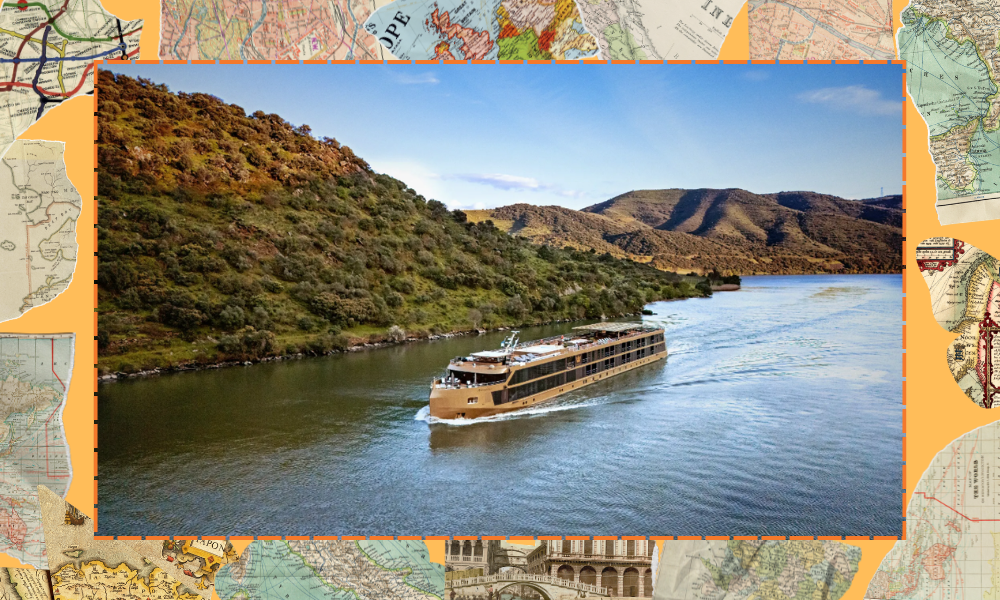
    There is a rhythm to the Douro River that is unlike anywhere else in Europe. It isn’t the frantic pulse of a major city or the predictable roar of the open sea; it is a slow, intoxicating melody of rolling hills, ancient terraced vineyards, and the gentle lapping of water against the hull of a luxury river ship.

    At FlyOver Travel, we are often asked by our most discerning clients: “What is the most relaxing, yet culturally immersive way to see Portugal?” Our answer is always the same: An AmaWaterways cruise through the Douro River Valley.

    As luxury travel advisors, we prioritize “friction-free” experiences that allow you to engage with a destination on a deeper level. A cruise along the Douro—often called the “River of Gold”—is not just a vacation; it is a slow-motion journey into the soul of Portuguese heritage, wine culture, and architectural majesty.

    Why the Douro Valley is the Jewel of European River Cruising

    While the Rhine and the Danube have long held the spotlight, the Douro River remains the “hidden gem” of European luxury travel. The valley itself is a UNESCO World Heritage site, famous for its dramatic landscape where steep, vineyard-covered hills plunge into the river below.

    When you cruise with AmaWaterways, you aren’t just passing through these landscapes; you are embedded in them. The smaller scale of the river ships allows for a more intimate experience. You wake up every morning with a different, breathtaking view of the valley, and you spend your days exploring ancient quintas (wine estates) that have been producing port wine for centuries.

    The AmaWaterways Experience: Where Luxury Meets Authenticity

    AmaWaterways has mastered the art of the “curated river experience.” What sets their Douro cruises apart?

    • Inclusive Luxury: From shore excursions that include private wine tastings to high-end regional cuisine served on board, the value of the experience is woven into every detail.
    • The “Slow Travel” Philosophy: Luxury is defined by time. On the Douro, there is no rushing from one tour to the next. You have the time to sit on the sun deck, glass of local vintage in hand, and watch the terraced hills glide by.
    • Access to the Exclusive: Because of the line’s long-standing local partnerships, guests enjoy private access to family-owned vineyards that are often closed to the general public. You aren’t just tasting the wine; you are learning about the family history behind every bottle.

    A Journey Through History: Key Highlights of the Douro

    As you navigate the river, each port of call offers a different perspective on Portuguese life.

    Porto: The Gateway

    The journey typically begins (or ends) in the magnificent city of Porto. Known for its colorful riverside houses and intricate azulejo tiles, Porto is the perfect preamble to the quietude of the river valley. We always advise our clients to arrive a day early to explore the cellars of Vila Nova de Gaia—the true home of Port wine.

    Régua and Pinhão: The Heart of the Vine

    As you move inland, you reach the heart of wine country. Régua is the vibrant center of the region, while Pinhão is perhaps the most beautiful village on the river. The train station in Pinhão, decorated with stunning tile panels depicting the grape harvest, is a testament to the region’s deep connection to its trade.

    Salamanca, Spain: A Cultural Detour

    One of the most remarkable aspects of an AmaWaterways Douro itinerary is the ability to cross into Spain. A visit to the historic university city of Salamanca—with its grand Plaza Mayor and stunning sandstone architecture—adds an incredible layer of cultural depth to your river journey.

    The FlyOver Travel “Friction-Free” Difference

    Planning a river cruise is more than just picking a ship; it is about selecting the right itinerary, the right deck level, and the right timing to ensure your trip aligns with your personal interests.

    How we elevate your cruise:

    • The Pre-Cruise Connection: We handle all your flights, pre-cruise hotel stays in Lisbon or Porto, and private transfers to the ship. We ensure your arrival is stress-free so you can step on board ready to relax.
    • Customized Shore Excursions: AmaWaterways offers a variety of tours, from hiking through the vineyards to visiting historic cathedrals. We help you map out your itinerary in advance, ensuring your trip reflects your personal energy levels and interests.
    • Insider Knowledge: We know which “Quinta” visits are best for history buffs, which ones are best for wine connoisseurs, and which ones offer the most incredible photography opportunities.

    Why You Should Choose the Douro Now

    The Douro Valley is changing. As its reputation as a world-class wine destination grows, so does the demand for travel in this region. Choosing an AmaWaterways cruise allows you to experience the valley in its most authentic, unspoiled state while enjoying the refined comforts of a modern luxury ship.

    It is a journey that demands little from you but gives back in abundance: the crispness of a chilled White Port at sunset, the quiet wonder of the hills reflecting on the water, and the warmth of a culture that truly knows how to celebrate the good life.

    Your River Journey Awaits

    Are you ready to trade the noise of the world for the gentle, golden flow of the Douro? Let FlyOver Travel handle the logistics while you prepare for a journey of a lifetime.

    Are you ready to see the stunning vistas, vineyard-covered hills, and serene waters of the Douro River valley in high definition?

    Click here to watch our exclusive Douro River travel video on YouTube and take a virtual cruise through one of the most beautiful rivers in Europe!

  • The Ultimate Tropical Sanctuary: Why Trunk Bay, St. John is the Caribbean’s Best-Kept Secret

    The Ultimate Tropical Sanctuary: Why Trunk Bay, St. John is the Caribbean’s Best-Kept Secret

    Escape to Pristine White Sands and Underwater Wonders: Discover the Unspoiled Luxury of the U.S. Virgin Islands’ Most Iconic Beach

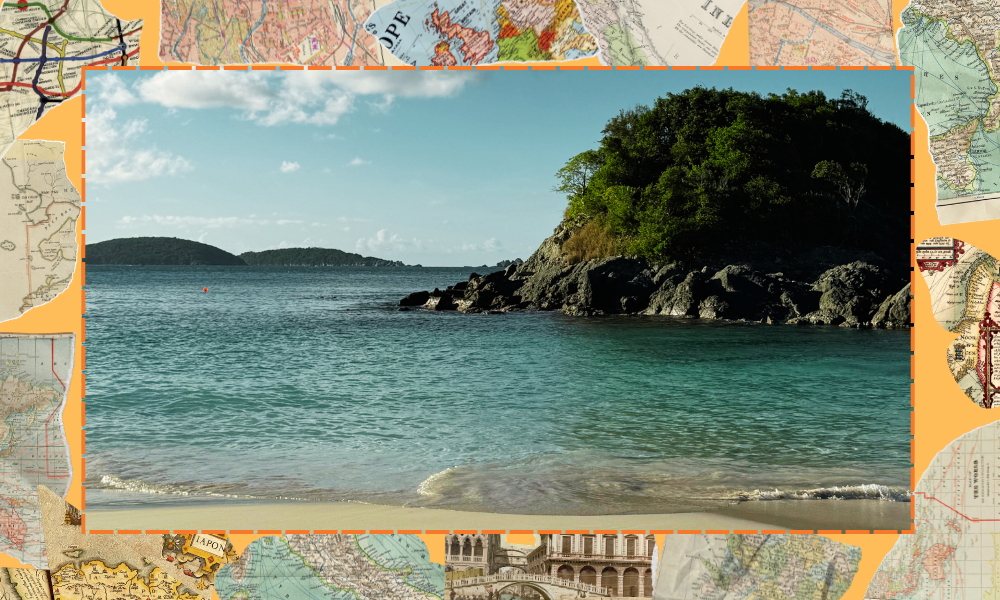
    There are beaches that you visit, and then there are beaches that transform you. Trunk Bay, nestled within the protected embrace of the Virgin Islands National Park on the island of St. John, is undeniably the latter. With its impossibly soft, powdery white sand, water that shifts from pale turquoise to deep sapphire, and a lush, emerald-green backdrop, Trunk Bay isn’t just a destination—it is the very definition of a tropical sanctuary.

    At FlyOver Travel, we specialize in curating “friction-free” luxury itineraries that transport our clients away from the noise of the everyday and into the heart of the world’s most pristine environments. As expert travel advisors, we often tell our clients that the greatest luxury is access to nature in its purest form. Trunk Bay is the crown jewel of that philosophy, offering an experience that balances breathtaking natural beauty with the quiet, refined atmosphere of the U.S. Virgin Islands.

    The Allure of St. John: Why “Friction-Free” Travel Matters

    St. John is often referred to as the “jewel of the U.S. Virgin Islands.” Unlike its busier neighbors, St. John has been largely protected from over-development, thanks to the fact that two-thirds of the island is preserved as a National Park. This commitment to conservation is why Trunk Bay remains so remarkably untouched.

    When you travel with FlyOver Travel, we focus on removing the “logistics anxiety” that often comes with planning a trip to a protected island. From private water taxi arrivals to securing exclusive villas that offer total seclusion, we ensure your journey is seamless from the moment you leave home until your feet hit the sand. We don’t just book flights; we design a narrative of relaxation.

    Diving Into Paradise: The Famous Underwater Snorkel Trail

    Trunk Bay is famous for one feature that sets it apart from every other beach in the Caribbean: its Underwater Snorkel Trail.

    Designed for both beginners and seasoned snorkelers, this submerged trail is a masterpiece of environmental education. As you glide through the crystal-clear, warm waters, you can follow a series of underwater plaques that identify the various species of coral, sponges, and marine life found in the bay.

    For our clients, the experience is nothing short of magical. Imagine swimming alongside graceful sea turtles, watching schools of vibrant parrotfish dart through the coral, and feeling the profound quiet of the underwater world. It is an immersive, accessible adventure that makes you feel like you are exploring a private aquarium, right off the shore.

    Pro-Tips for Your Trunk Bay Snorkel:

    • Timing is Key: We recommend arriving early, particularly before 10:00 AM, to enjoy the water at its calmest and clearest.
    • Stay Hydrated & Protected: Because the sun in the USVI is powerful, we always advise our travelers to use reef-safe sunscreen to protect both their skin and the delicate ecosystem that makes Trunk Bay so special.
    • The Private Advantage: While the main beach is accessible to the public, we often arrange private boat charters for our clients. This allows you to visit the bay at your own pace, enjoy a catered lunch on board, and perhaps even snorkel in the more secluded coves surrounding the area, away from the typical tourist crowds.

    The FlyOver Travel Curated Caribbean Experience

    Luxury is not a one-size-fits-all concept. At FlyOver Travel, we understand that your vacation is an investment in your well-being. Whether you are planning a milestone anniversary, a high-end family retreat, or a solo wellness escape, we tailor every detail.

    Why Choose St. John for Your Next Escape?

    1. Exclusivity: St. John lacks the large-scale cruise ship presence found in other Caribbean ports, making it the perfect choice for those who value peace and privacy.
    2. Bespoke Island Dining: We handle your reservations at the island’s top-tier eateries. From elevated Caribbean fusion to fresh-caught seafood served on a balcony overlooking the bay, we ensure every meal is a highlight of your trip.
    3. Boutique Island Living: We specialize in finding the hidden villas—properties tucked into the hillsides with infinity pools that seem to spill directly into the ocean. These properties are the heart of our “friction-free” strategy, providing a home away from home that offers both total comfort and breathtaking views.

    Why Trunk Bay is the Ultimate “Reset” Button

    In a world that is hyper-connected and fast-paced, Trunk Bay offers the ultimate luxury: Space. Space to walk, space to swim, and space to simply be. There is something deeply grounding about the way the light hits the water at midday, and the sound of the tide is a natural balm for the stressed professional.

    We don’t just recommend Trunk Bay because it is “pretty.” We recommend it because it forces a change in your internal clock. It reminds you that the world is vast, beautiful, and worth taking the time to explore properly.

    Embark on Your Caribbean Journey Today

    Trunk Bay is not just a beach; it is a destination that stays with you long after the sand has been washed away. Whether you are looking for a secluded villa, a private yacht charter, or a fully orchestrated island itinerary, FlyOver Travel is ready to design the perfect Caribbean escape for you.

    Are you ready to see the pristine turquoise waters and vibrant coral reefs of Trunk Bay for yourself?

    Click here to watch our exclusive travel guide to Trunk Bay, St. John on YouTube and witness the breathtaking beauty of this Caribbean paradise in high definition!

  • The Stairway to Heaven: Unveiling the Majesty of the Santuário de Nossa Senhora dos Remédios

    The Stairway to Heaven: Unveiling the Majesty of the Santuário de Nossa Senhora dos Remédios

    Discover Portugal’s Most Breathtaking Baroque Masterpiece and Why This Lamego Treasure is the Ultimate Cultural Pilgrimage

    Tucked away in the verdant heart of the Douro region lies a monument that defies description. The Santuário de Nossa Senhora dos Remédios (Sanctuary of Our Lady of Remedies) in Lamego is not just a church; it is a profound architectural marvel that rises from the hills like a shimmering beacon of Baroque artistry. For the traveler seeking a destination that combines spiritual gravitas with sheer, jaw-dropping beauty, Lamego offers an experience that is as restorative as it is awe-inspiring.

    At FlyOver Travel, we believe that the most rewarding travel experiences are those that require a journey—both physical and emotional. When you stand at the base of the massive staircase leading to this sanctuary, you are not just a visitor; you are part of a centuries-old tradition of wonder. As experts in curating “friction-free” luxury itineraries, we have found that Lamego remains one of the most underrated jewels in Portugal’s crown, making it the perfect addition for those who crave authenticity alongside elegance.

    An Architectural Wonder: The Art of the Staircase

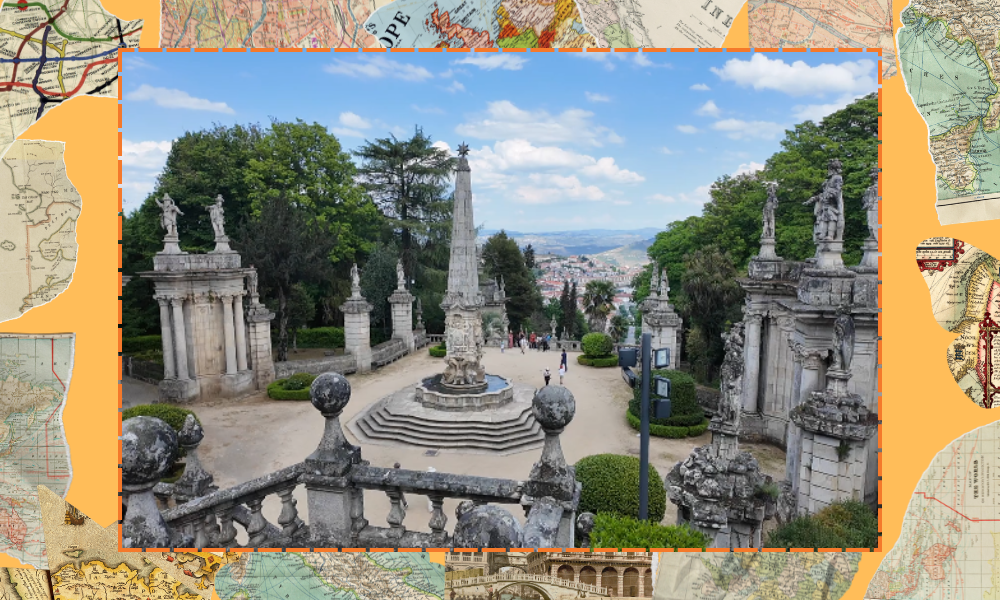
    The first thing that strikes you about the Santuário de Nossa Senhora dos Remédios is its sheer vertical ambition. The sanctuary is famously accessed by a monumental staircase consisting of 686 steps.

    But this is no ordinary climb. The staircase is a masterpiece of the 18th century, designed with a complex layout of landings, fountains, and statues. Each level invites you to pause, breathe, and take in the view of the valley below. The staircase is adorned with stunning blue-and-white azulejos—the classic Portuguese ceramic tiles—depicting religious scenes and allegories.

    For our luxury travelers, we don’t just “climb the stairs.” We coordinate your visit to ensure you have the time to ascend at a leisurely pace, perhaps accompanied by a local guide who can interpret the stories etched into the tiles. It is a slow, rhythmic ascent that turns a simple walk into a meditative experience.

    The Sanctuary: A Baroque Masterpiece

    Once you reach the summit, you are rewarded by the sanctuary itself. Completed in the late 18th century, the church is a quintessential example of the Portuguese Baroque style, characterized by its elaborate ornamentation, gold-leaf woodwork, and sense of dramatic movement.

    The interior is equally breathtaking. The high altar, dedicated to Our Lady of Remedies, is a triumph of wood carving and gilding. Whether you are a scholar of history, an admirer of religious art, or simply a traveler who appreciates human craftsmanship, the quiet stillness of this interior provides a moment of genuine serenity—a rarity in today’s hyper-connected world.

    The FlyOver Travel Guide to Lamego

    Lamego is more than its sanctuary. It is a vibrant, ancient city in the Douro Valley, surrounded by some of the most historic wine estates in the world. As your expert travel planners, we design your visit to Lamego to be a harmonious blend of culture, history, and indulgence.

    1. Strategic Timing

    The sanctuary is a popular pilgrimage site, particularly during the festival in September. We coordinate your visit to avoid the peak crowds, ensuring you can photograph the staircase and explore the grounds in peace. We often suggest a late afternoon visit, when the light catches the white stone and the tiles, turning the entire hill into a shimmering, golden tapestry.

    2. The “Friction-Free” Logistics

    Lamego is perched on a hill, and navigating its streets can be challenging without local knowledge. Our luxury itineraries include private, air-conditioned chauffeur services that drop you at the most strategic points, ensuring you can enjoy the experience without the stress of parking or complex navigation.

    3. Beyond the Stairs

    After descending from the sanctuary, we curate an afternoon of exploration in Lamego. Visit the Lamego Castle, a small but mighty fortress that offers panoramic views, or walk through the Museu de Lamego, housed in the former Episcopal Palace, which holds one of the most important collections of Flemish tapestries in Portugal.

    Why Lamego is the Perfect Douro Addition

    Most travelers visit the Douro River to see the vineyards, but the true spirit of the region is found in its hilltop cities. Lamego offers a glimpse into a Portugal that is deep-rooted and resilient. When you pair a visit to the Santuário de Nossa Senhora dos Remédios with a luxury river cruise or a stay at a historic quinta, you get a complete picture of the Douro: the land, the wine, and the faith.

    At FlyOver Travel, we don’t just book your travel; we orchestrate your journey. We understand that your time is your most precious asset. By weaving these cultural experiences into a seamless itinerary, we ensure that every moment you spend in Portugal feels purposeful, elegant, and uniquely yours.

    The Luxury of Discovery

    There is a distinct, quiet luxury in discovering a place that isn’t on every traveler’s radar. Lamego provides that rarity. It offers the chance to stand before a masterpiece of art and architecture, to look out over a landscape of vines, and to feel, if only for a moment, that you have found a corner of the world that still guards its beauty with pride.

    Embark on Your Portuguese Journey

    The Santuário de Nossa Senhora dos Remédios is a site that stays with you long after the journey ends. Its combination of grand architecture and serene valley views makes it an unforgettable stop on any Portuguese tour.

    Are you ready to see the stunning 686-step staircase, the intricate tile work, and the breathtaking views from Lamego’s most famous sanctuary?

    Click here to watch our exclusive travel guide to the Santuário de Nossa Senhora dos Remédios on YouTube and witness the beauty of this Portuguese landmark in high definition!