The In-Flight Habit That Could Save Your Vacation: Why Travel Expert Kristin Freeman Swears by Compression Socks for Long-Haul Comfort
Flying at 30,000 feet is an incredible experience, but long hours spent sitting in a pressurized cabin can take a quiet toll on your body. Whether you are embarking on a transpacific voyage, a European river cruise getaway, or a multi-leg international journey, physical well-being during transit directly dictates how quickly you can dive into your vacation upon landing.
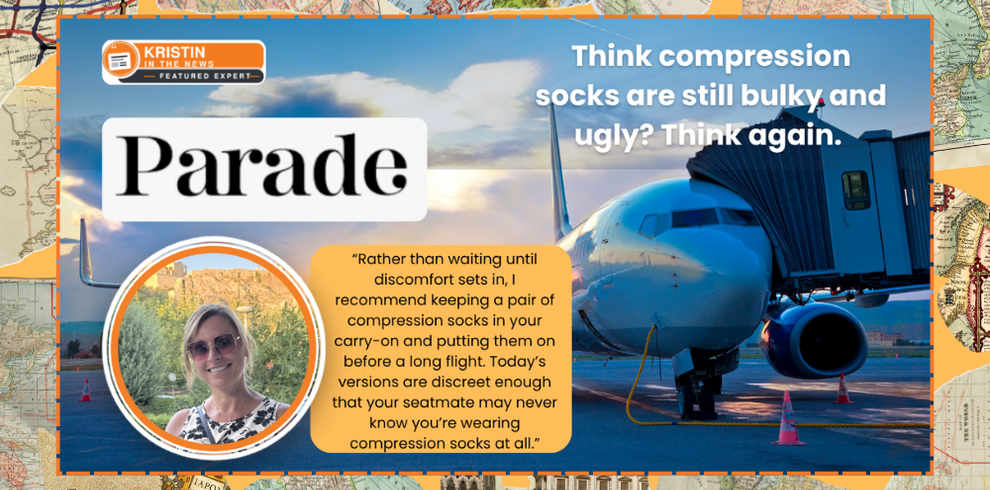
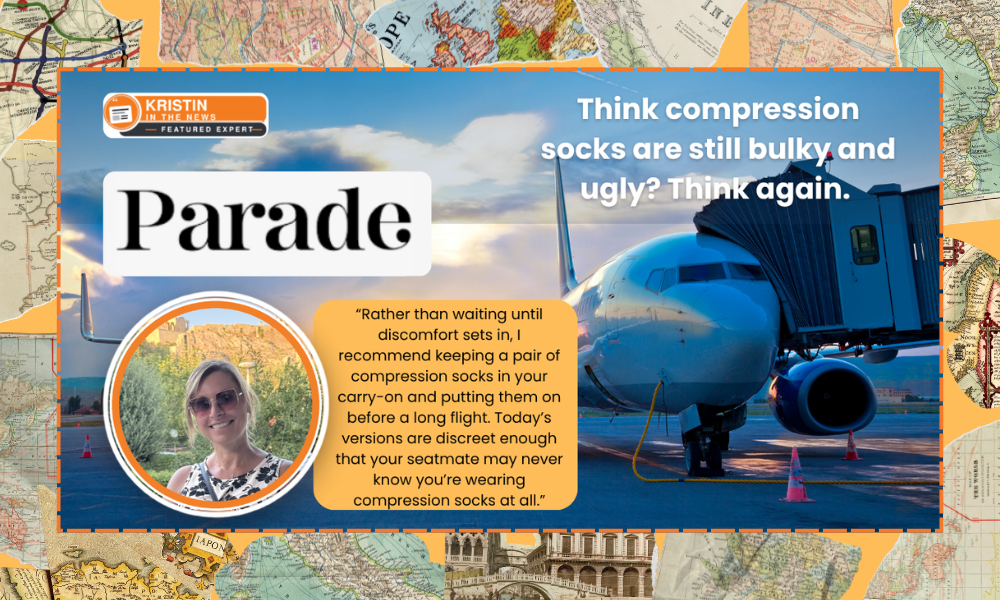
This critical intersection of health, travel habits, and long-haul comfort is precisely why Kristin Freeman, CEO of FlyOver Travel, was recently featured in Parade.com‘s guide on flight habits seasoned travelers should reconsider. Among the top recommendations for maintaining peak circulation and energy during extended air travel? Wearing gradient compression socks.
As a trusted leader in luxury travel management, Kristin Freeman routinely guides clients on how to optimize every aspect of their journey—from booking lie-flat suites to mastering in-flight wellness routines. In this comprehensive guide, we explore why compression socks are an indispensable tool for air travel, how they work, who benefits most, and how incorporating smart physical habits ensures you arrive at your destination refreshed and ready to explore.
Why Flying Affects Your Circulation
To understand why compression socks are so effective, it helps to look at what happens to the human body during extended flights. Inside a commercial aircraft, cabin pressure is typically equivalent to an altitude of 6,000 to 8,000 feet above sea level. Combined with low humidity levels and hours of relative immobility, this environment creates unique physiological challenges.
The Dynamics of Sitting at High Altitude
When you sit in a restricted position for several consecutive hours:
- Venous Pooling: Gravity pulls fluid and blood down into your lower legs, ankles, and feet.
- Decreased Blood Flow: Without regular muscle contractions from walking or moving, the veins in your calves work much harder to pump blood back up toward your heart.
- Mild Swelling (Edema): The accumulation of fluid in tissue can leave your legs feeling heavy, tight, and uncomfortable, making shoes feel snug by the time you prepare to descend.
Beyond temporary discomfort, prolonged immobility on long flights increases the risk of Deep Vein Thrombosis (DVT)—a condition where a blood clot forms in a deep vein, most commonly in the legs.
How Compression Socks Work: The Science of In-Flight Comfort
Compression socks are specially designed hosiery that exert gentle, controlled pressure on your lower legs. Unlike standard everyday socks, quality compression wear uses graduated compression.
The Benefits of Graduated Pressure
- Promotes Upward Circulation: By applying the strongest pressure at the ankle and gradually loosening toward the knee, compression socks assist your body’s veins in pushing blood back up against gravity.
- Reduces Swelling and Fatigue: By preventing excess fluid accumulation in the ankles and feet, compression garments minimize post-flight tightness and aching.
- Supports Deep Vein Health: Keeping blood circulating steadily reduces the likelihood of sluggish blood flow during 6+ hour flights.
As highlighted by Kristin Freeman in Parade.com, incorporating compression socks into your packing list isn’t just about avoiding swelling; today’s designs are sleek and discreet, ensuring you arrive feeling ready to enjoy your vacation rather than sacrificing your first day recovering.
Choosing the Right Compression Level for Air Travel
Not all compression socks are created equal. When selecting socks for air travel, it is important to choose the right level of pressure (measured in millimeters of mercury, or mmHg).
| Compression Level | Pressure Range | Best Used For |
| Mild / Mild Graduated | 8–15 mmHg | Everyday wear, light fatigue, shorter domestic flights |
| Moderate / Travel Grade | 15–20 mmHg | Long-haul flights, general travel comfort, leg swelling prevention |
| Firm / Medical Grade | 20–30 mmHg | Specific medical indications, post-surgery, prescribed by a physician |
For most healthy adult travelers embarking on long-haul flights, a 15–20 mmHg graduated compression sock provides the ideal balance of effective circulatory support and comfortable all-day wear.
Essential Flight Habits to Pair with Compression Wear
While wearing compression socks provides substantial circulatory support, combining them with healthy in-flight routines maximizes your physical comfort.
1. Stay Proactively Hydrated
Aircraft cabin air typically has humidity levels below 20%. Dehydration causes blood vessels to narrow and blood to thicken slightly, compounding circulation challenges. Drink water regularly throughout the flight, and limit excessive intake of alcohol and caffeine, which contribute to dehydration.
2. Practice In-Seat Foot Exercises
When space is limited, simple isometric calf movements keep your muscle pump active:
- Ankle Pumps: Point your toes downward, hold for 3 seconds, then flex your feet upward toward your shins.
- Ankle Circles: Rotate your ankles in smooth circular motions, 10 times clockwise and 10 times counter-clockwise.
- Heel-Toe Raises: Rest your feet flat on the floor, raise your heels while keeping your toes planted, then switch to raising your toes while keeping your heels down.
3. Take Periodic Cabin Walks
Aim to stand up and stroll down the aisle every 1.5 to 2 hours when the seatbelt sign is off. A 5-minute walk restores dynamic blood flow across your entire body and gives your muscles a welcome break from static posture.
Crafting Your Ultimate Itinerary: Key Considerations for Luxury Travelers
Elevating your global journeys requires a thoughtful approach to every detail—from selecting the right flight habits and cabin classes to curating seamless luxury itineraries around the globe. When your travel plans are guided by an experienced industry authority, every trip becomes an effortless masterclass in comfort and style.
Frequently Asked Questions About Compression Socks on Flights
Q1: How long before my flight should I put on compression socks?
A: Put your compression socks on in the morning before leaving for the airport, or right before boarding your long-haul flight. Putting them on while your legs are rested and swelling hasn’t yet started yields the best results.
Q2: Can I sleep with compression socks on during an overnight flight?
A: Yes. Wearing graduated compression socks while resting or sleeping during an overnight transoceanic flight is safe and effective for keeping circulation steady while your body is completely motionless.
Q3: Are compression socks necessary if I am flying in Business or First Class?
A: Lie-flat beds in premium cabins significantly reduce gravity-induced fluid pooling because your legs remain elevated horizontally. However, wearing mild-to-moderate compression socks still aids circulation during seated periods, meal service, and pre-departure transit.
Q4: What material is best for travel compression socks?
A: Look for breathable, moisture-wicking blends such as merino wool, bamboo fibers, or technical synthetic knits. These materials offer temperature regulation and comfort during long hours in varying cabin temperatures.
Q5: Who should consult a doctor before wearing compression socks?
A: Individuals with peripheral arterial disease, severe diabetic neuropathy, active skin infections, or severe heart conditions should consult a healthcare provider prior to using graduated compression garments.
Experience the FlyOver Travel Difference
To read the full article featuring expert advice from Kristin Freeman on habits travelers over 50 should stop, check out the complete feature on Parade.com.
Ready to plan your next extraordinary escape with peace of mind? Connect with our expert team at FlyOver Travel today and let us handle every detail of your luxury itinerary from departure to arrival!